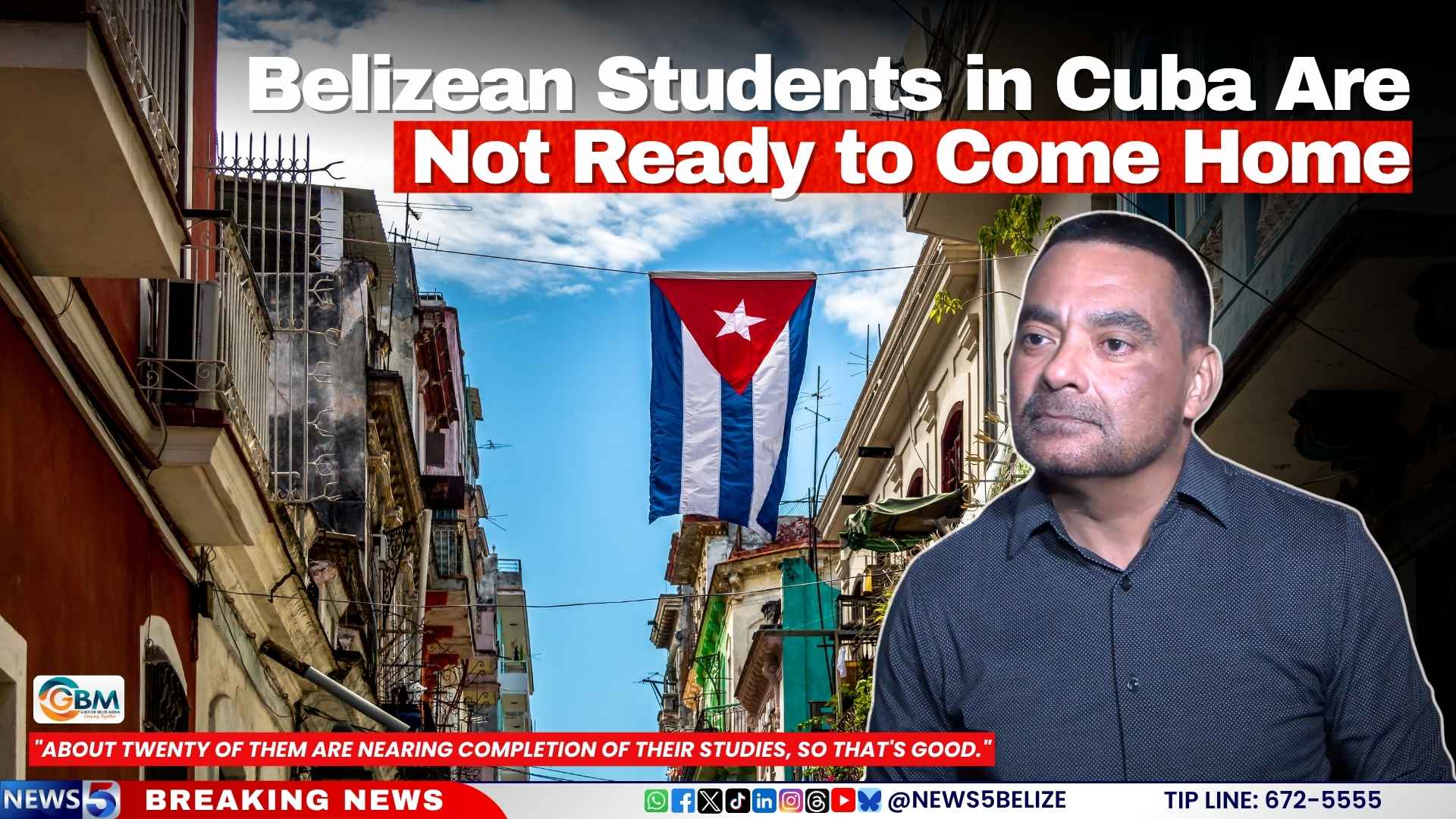
Amid Cuba’s escalating economic and energy crisis, the Belizean government has confirmed that its 28 citizens pursuing medical education on the island have chosen to remain and complete their academic programs rather than return home prematurely. Foreign Minister Francis Fonseca disclosed that authorities maintain near-daily communication with the students through Belize’s embassy in Havana, with regular welfare checks confirming their safety and academic progress.
The students, predominantly in advanced stages of medical training, have demonstrated remarkable commitment to their education despite Cuba’s severe fuel shortages and widespread power outages resulting from U.S. oil shipment restrictions imposed since February. Approximately twenty students are reportedly approaching graduation, making their decision to stay particularly significant for both their professional futures and Belize’s healthcare sector.
Minister Fonseca emphasized that while the government respects the students’ determination to complete their studies, contingency plans remain activated for potential evacuation should conditions deteriorate further. “Should either the students or Cuban authorities indicate that repatriation becomes necessary, we stand ready to facilitate their immediate return,” Fonseca stated, underscoring the government’s balanced approach of monitoring without intervention unless requested.
The situation highlights the complex interplay between international education partnerships and geopolitical tensions, with Caribbean nations navigating relationships while prioritizing citizen welfare. Belize’s measured response reflects both support for academic aspirations and preparedness for crisis management, setting a precedent for how smaller nations might address similar challenges involving overseas students in volatile regions.