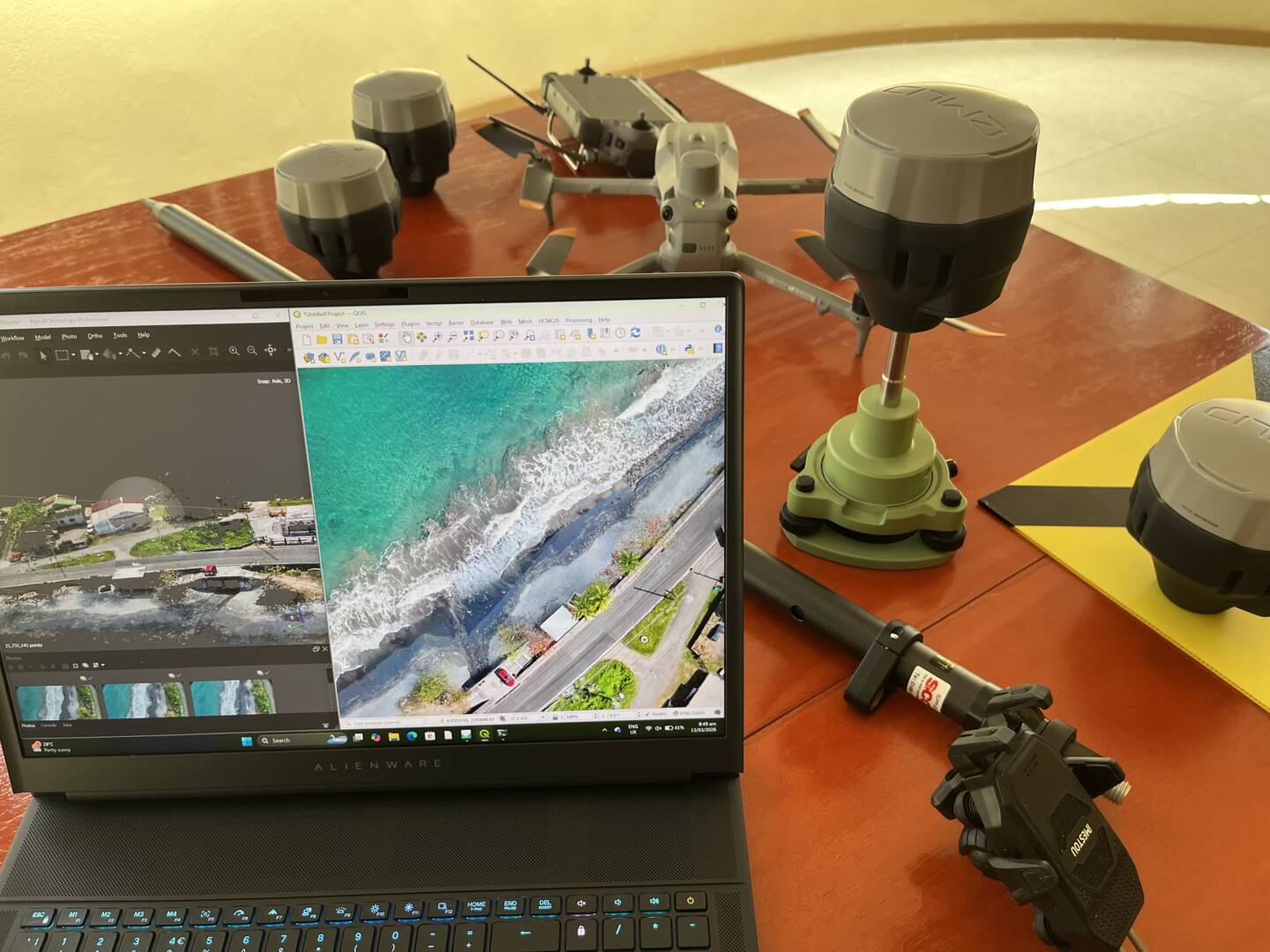
A groundbreaking initiative between the United Kingdom and Grenada is equipping coastal communities with advanced technological tools to address the escalating threat of shoreline degradation. Through the UK’s Sustainable Blue Economies Technical Assistance Platform, this comprehensive program provides drone systems, GPS survey equipment, and specialized training to empower local organizations in monitoring environmental changes.
The project specifically targets vulnerable regions including St Patrick, Carriacou and Petite Martinique, where Hurricane Beryl previously caused devastating economic losses exceeding $218 million in 2023. By implementing a train-the-trainers methodology, the program ensures knowledge transfer to youth associations, women’s groups, and local NGOs, creating sustainable monitoring capabilities that will remain within communities long-term.
Technical contributions include four high-precision GPS receivers, one professional-grade drone with photogrammetry software, and computing equipment that collectively enable detailed coastal mapping. This technology facilitates the creation of a comprehensive 15-70-year shoreline dataset, addressing a critical gap in nationwide erosion data that has previously hampered effective disaster planning.
British High Commissioner Victor Clark emphasized the strategic importance of this collaboration: “With numerous communities and essential services located along Grenada’s coastline, reliable data is fundamental for sustainable development. This initiative strengthens national planning for climate resilience while creating pathways for climate finance opportunities.”
The program aligns directly with Grenada’s National Sustainable Development Plan 2035 and supports the country’s Integrated Coastal Zone Management policy. According to Dr. Tony Dolphin, Principal Scientist leading the SBE ShoreSecure project, the initiative delivers dual benefits: providing vital national erosion data while empowering communities with practical tools to track environmental changes themselves.
Minister Kerryne James of Climate Resilience, the Environment and Renewable Energy highlighted the transformative potential: “By equipping our coastal communities with cutting-edge technology, we’re building resilient coastlines through ecosystem-based adaptation. This approach safeguards our fisheries, tourism livelihoods, and critical infrastructure while placing knowledge directly into the hands of our people.”
This partnership represents a significant advancement in climate adaptation strategy, combining technological innovation with community engagement to address the urgent challenges posed by coastal erosion in climate-vulnerable nations.