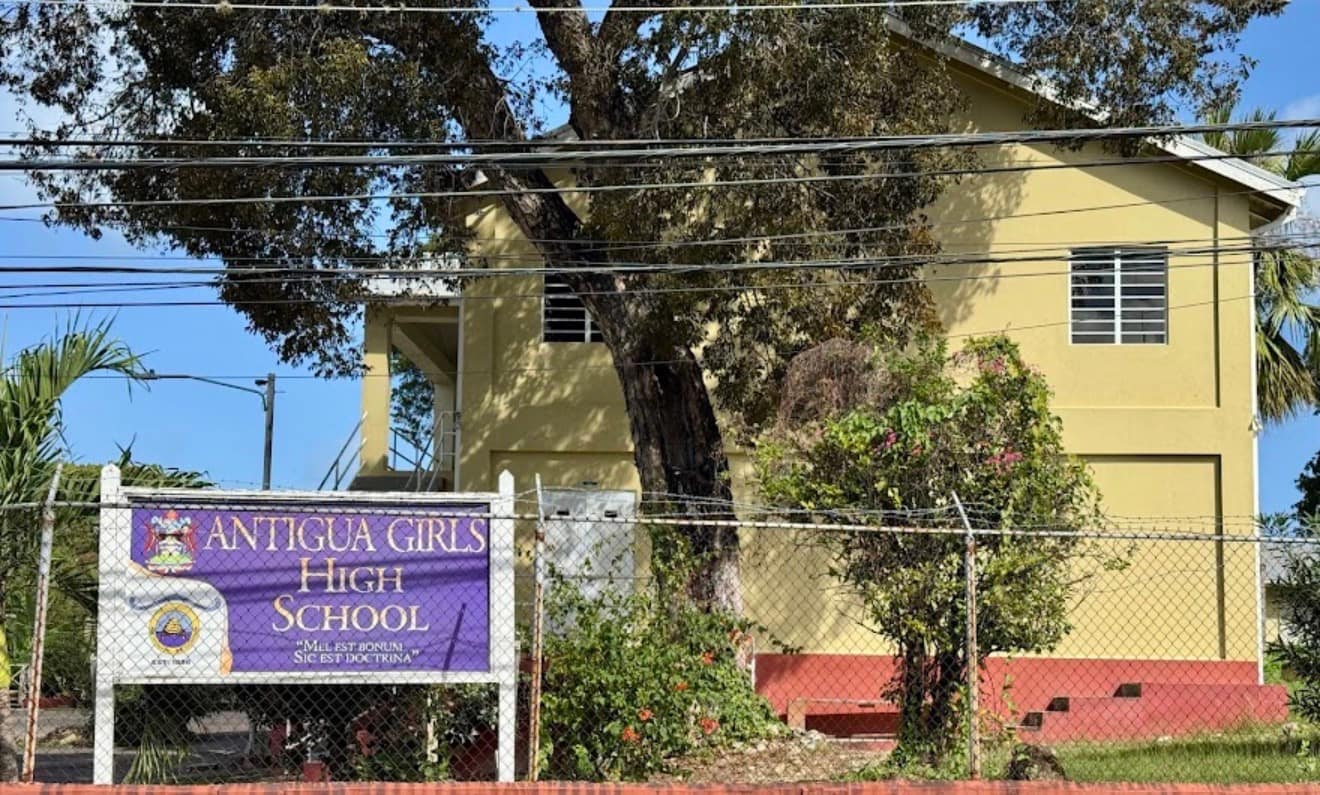
A contentious dispute over hairstyle regulations at Antigua Girls’ High School has ignited debates about cultural identity and educational equity after a student was repeatedly dismissed from classes for wearing natural hair extensions. The incident began when a student with naturally short hair was instructed to remove crocheted locs she had installed during the Christmas break, which she complied with promptly. Seeking to maintain a presentable appearance, the student subsequently added minimal natural twist extensions to achieve manageable length and neatness for school environments. Despite these efforts toward compliance, school authorities sent her home for the second time within days, deeming even the subtle extensions unacceptable. The situation highlights growing concerns about institutional policies that potentially disadvantage students of African descent who utilize traditional hairstyling methods. Educational observers note that such styles represent both practical hair management solutions and cultural significance for many Caribbean students. The case gains additional complexity as other regional institutions reportedly permit similar natural hairstyles provided they meet general neatness standards. This discrepancy raises questions about consistency and cultural sensitivity in school grooming policies across Antigua’s educational landscape. The student’s experience has sparked broader discussions about whether dress code regulations should evolve to accommodate diverse hair textures and cultural practices while maintaining professional standards.
LETTER: Reader Questions Hairstyle Policy at Antigua Girls’ High School