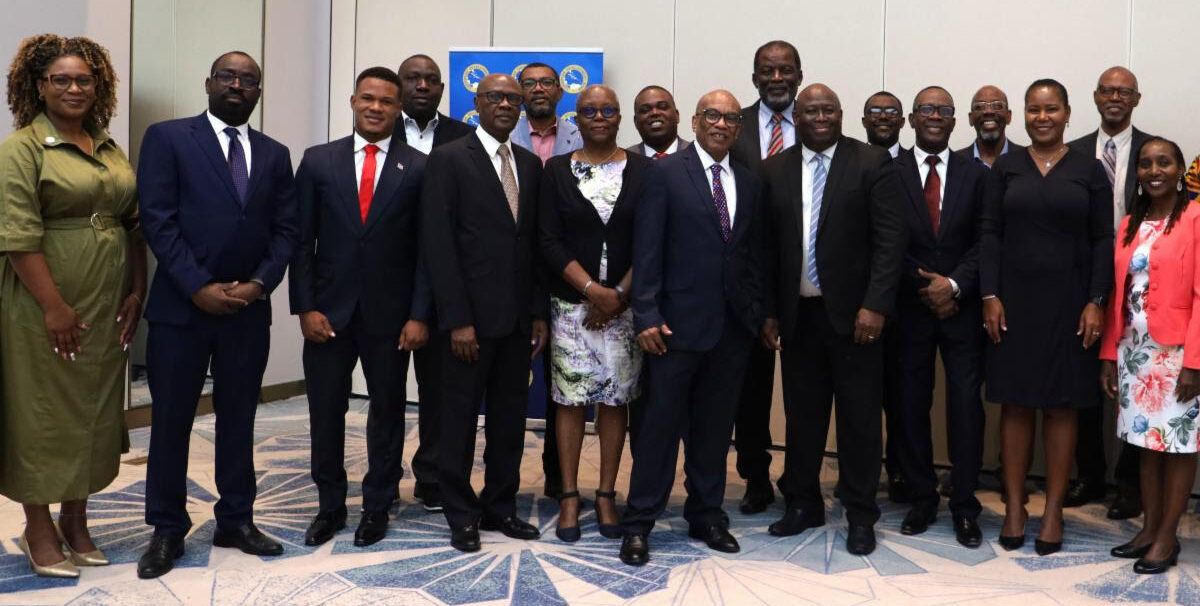
The Caribbean Development Bank (CDB) has formally initiated the Quality Enhancement in Public Education II (QEPE II) Project in collaboration with Haiti’s government, marking a substantial advancement in educational reform for the Caribbean nation. This comprehensive $14.7 million initiative combines a $13 million grant from CDB’s Special Development Fund with $1.7 million in counterpart funding from Haitian authorities to address educational disparities nationwide.
Building upon the foundational achievements of its predecessor, QEPE II is strategically designed to impact approximately 16,000 students and 700 educators through multifaceted interventions. The program encompasses nutritional support through school feeding programs, financial assistance via tuition waivers, gender-responsive initiatives, technological enhancements through ICT equipment distribution, and comprehensive professional development frameworks for educational personnel. A cornerstone of the project involves the development and implementation of an innovative e-learning platform for secondary students, ensuring educational continuity during socio-political disruptions.
Dr. Martin Baptiste, Division Chief of CDB’s Social Sector Division, emphasized the transformative potential of the initiative during the launch ceremony: “Education represents one of the most potent instruments for fostering resilience, social stability, and sustainable development. QEPE II constitutes a vital investment in Haiti’s future trajectory, guaranteeing that children across all socioeconomic backgrounds can access secure, supportive, and high-caliber learning environments.”
Yves Roblin, Director General of Haiti’s Ministry of National Education and Vocational Training, acknowledged the project’s critical timing: “Amidst our nation’s challenges, QEPE II delivers essential support to maintain educational operations and preserve every Haitian child’s fundamental right to education. This collaborative partnership with CDB enhances our institutional capabilities, enriches classroom resources, and ultimately improves student outcomes nationwide.”
The initiative demonstrates strategic alignment with Haiti’s Decennial Education Sector Plan (2022–2032) and advances national priorities including school health protocols, nutritional support, educational accessibility, and governance improvements. Simultaneously, it supports CDB’s Country Engagement Strategy for Haiti (2023–2025), which identifies human capital development—particularly educational quality and access—as fundamental pillars for sustainable economic growth.
This educational transformation project further contributes to CDB’s overarching mission of fostering social resilience through educational innovation while simultaneously addressing broader developmental objectives including poverty reduction, gender equality, and inclusive socioeconomic progress. The Bank reaffirms its commitment to supporting Haiti’s long-term developmental aspirations, particularly through expanding educational opportunities for youth and strengthening foundational elements for future national development.