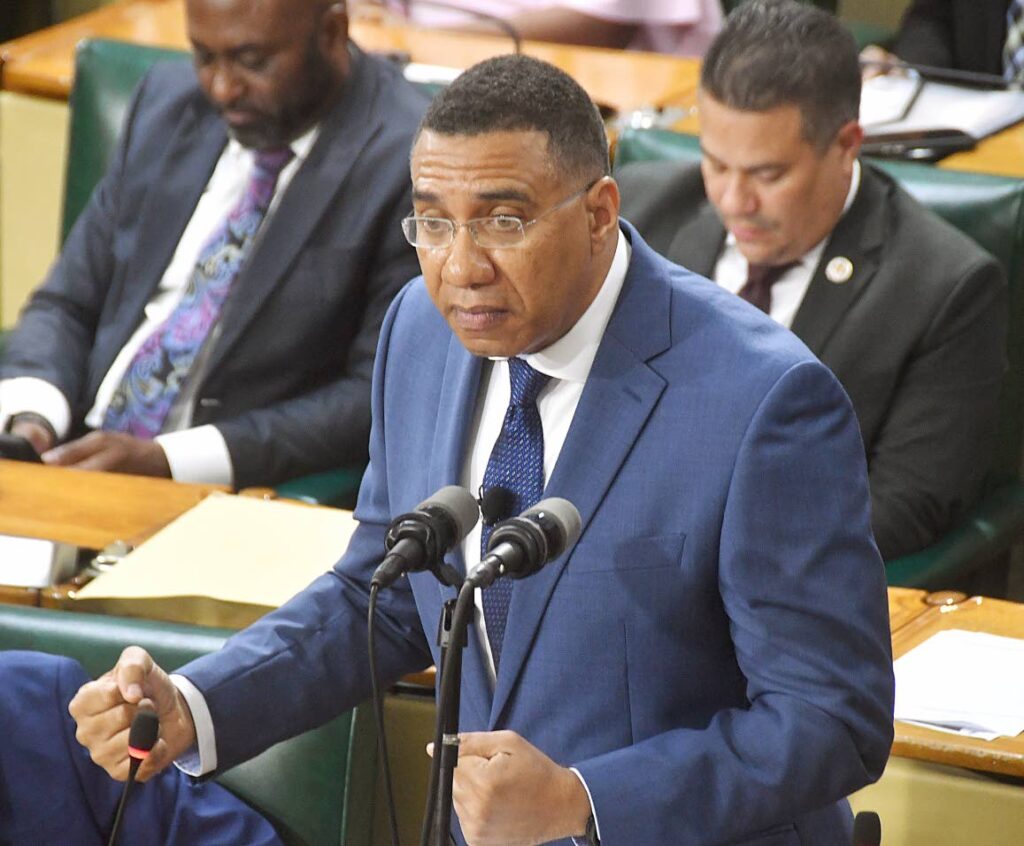
In a landmark declaration to Parliament, Jamaican Prime Minister Andrew Holness announced a transformative milestone in national security, projecting that annual homicides will fall below 500 in 2026—a figure unprecedented in modern Jamaican history. This optimistic forecast comes amid sustained declines in violent crime, with official data revealing a dramatic 43% reduction in murders from 1,147 cases in 2024 to 673 in 2025. The current year shows even greater promise, with January to mid-March figures indicating a further 29.4% decrease compared to the same period last year. Holness attributed this success to comprehensive security reforms combining intelligence-led operations, legislative enhancements, and institutional strengthening. Central to this strategy has been the strategic deployment of emergency powers, enabling security forces to develop advanced capabilities while systematically dismantling criminal networks. The Prime Minister emphasized that gang violence represents Jamaica’s primary security threat, driving narcotics trafficking, extortion, and territorial conflicts. To combat this, the government has established a Joint Anti-Gang Task Force employing integrated investigative techniques, financial intelligence, and multi-agency coordination. Concurrently, Holness revealed plans for a $5 billion forward operating base in Camp Wareika, spanning 100 acres to enhance the Jamaica Defence Force’s strategic dominance over the Liguanea Plains. This facility will leverage the tactical advantages of the Wareika Hills while maintaining the military’s presence at Up Park Camp, symbolizing the administration’s commitment to long-term security transformation through technological superiority and territorial control.