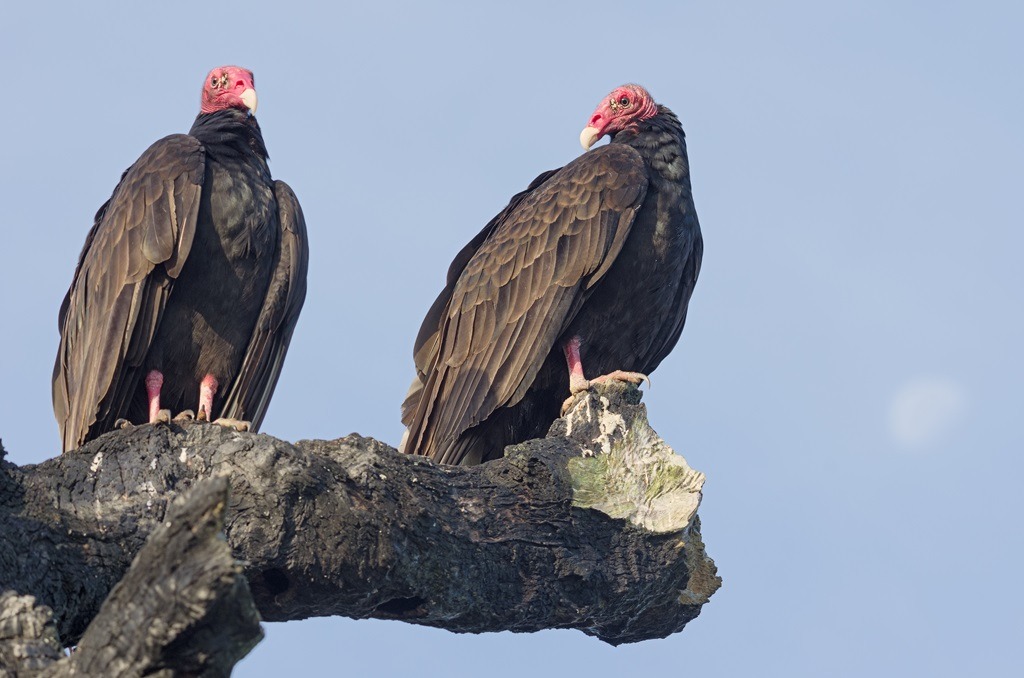
Environmental authorities and ornithological experts in Jamaica have addressed growing public apprehension regarding the perceived decline of the island’s turkey vulture population, locally known as John Crows. Following observations of reduced sightings, particularly in the aftermath of Hurricane Melissa, concerns have emerged about the status of these scavenger birds. However, scientific assessment reveals no concrete evidence supporting population diminishment.
Justin Saunders, President of BirdLife Jamaica, emphasizes that current reports remain anecdotal rather than scientifically validated. “Turkey vultures are highly mobile and adaptable birds,” Saunders explains. “Changes in their visibility likely indicate alterations in roosting or feeding locations—potentially influenced by storm damage, habitat disturbance, or modified waste-management practices—rather than demonstrating an actual population decrease.”
The National Environment and Planning Agency (NEPA) corroborates this perspective, acknowledging that while no formal census has been conducted for the species locally, the population appears “robust and widespread” without immediate causes for concern. Both experts and regulators attribute shifting observation patterns to landscape evolution, including storm-induced damage to roost trees, modifications in forest structure, and changes in livestock disposal practices or roadkill patterns.
Habitat loss or modification represents the primary potential threat to Jamaica’s turkey vulture population, particularly as human expansion and resource exploitation intensify. Nevertheless, the current consensus maintains that the species remains stable on the island—a reassuring contrast to global trends where nearly 70% of vulture species face threatened classifications.
Looking forward, NEPA has announced plans to collaborate with stakeholders to conduct comprehensive studies examining key variables affecting the species, ensuring continued monitoring and informed conservation strategies.