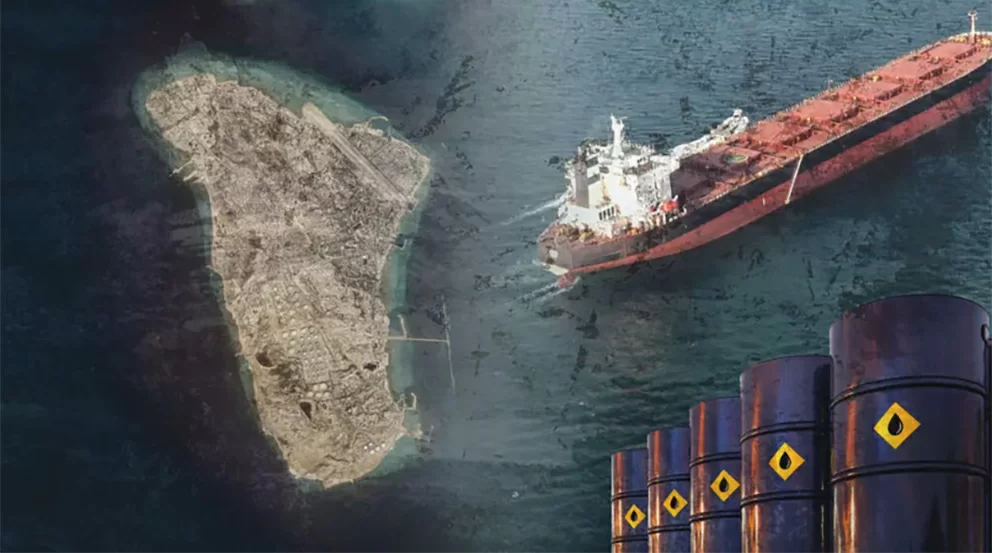
In a significant escalation of regional tensions, recent US military operations have directly targeted Iran’s critical Kharg Island oil facility, challenging previous strategic restraint. Located approximately 25 kilometers off Iran’s southern coast, this 20-square-kilometer island represents the crown jewel of Iran’s petroleum industry, handling an estimated 90% of the nation’s oil exports through its extensive network of pipelines, terminals, and storage facilities.
The Trump administration’s authorization of airstrikes marks a dramatic shift in US approach, resulting in measurable damage to Iran’s oil infrastructure that threatens both export capabilities and economic stability. Military analysts note that while the United States and Israel possess the technical capacity to strike Kharg’s heavily fortified installations, previous reluctance stemmed from concerns about triggering disproportionate retaliation.
The strategic significance of Kharg Island cannot be overstated. Its deep-water port facilities accommodate supertankers unable to navigate the shallow Persian Gulf waters, making it an indispensable node in global energy networks. Historical precedent exists for targeting this facility—during the Iran-Iraq conflict, the island suffered repeated attacks that underscored its vulnerability despite defensive measures.
Security experts warn that sustained attacks on Kharg could provoke severe countermeasures from Tehran, potentially including closure of the Strait of Hormuz—a critical maritime choke point through which 20% of global oil shipments pass daily. Such action would likely trigger immediate spikes in oil prices and disrupt worldwide energy supplies.
Iran maintains multiple asymmetric response options, including intensified proxy operations through regional allies in Iraq, Lebanon, Yemen and Syria. The Islamic Republic has also developed substantial cyber warfare capabilities that could target Western energy infrastructure and economic systems in retaliation.
Despite years of sanctions forcing economic adaptation, analysts question Iran’s ability to withstand sustained attacks on its primary export facility. While alternative pipelines to the Persian Gulf and Caspian Sea exist, their capacity remains limited, and clandestine export methods would struggle to compensate for major infrastructure damage.
The coming weeks will prove critical in determining whether targeted strikes continue or expand into broader conflict, with global energy markets watching nervously as geopolitical tensions reach new heights.