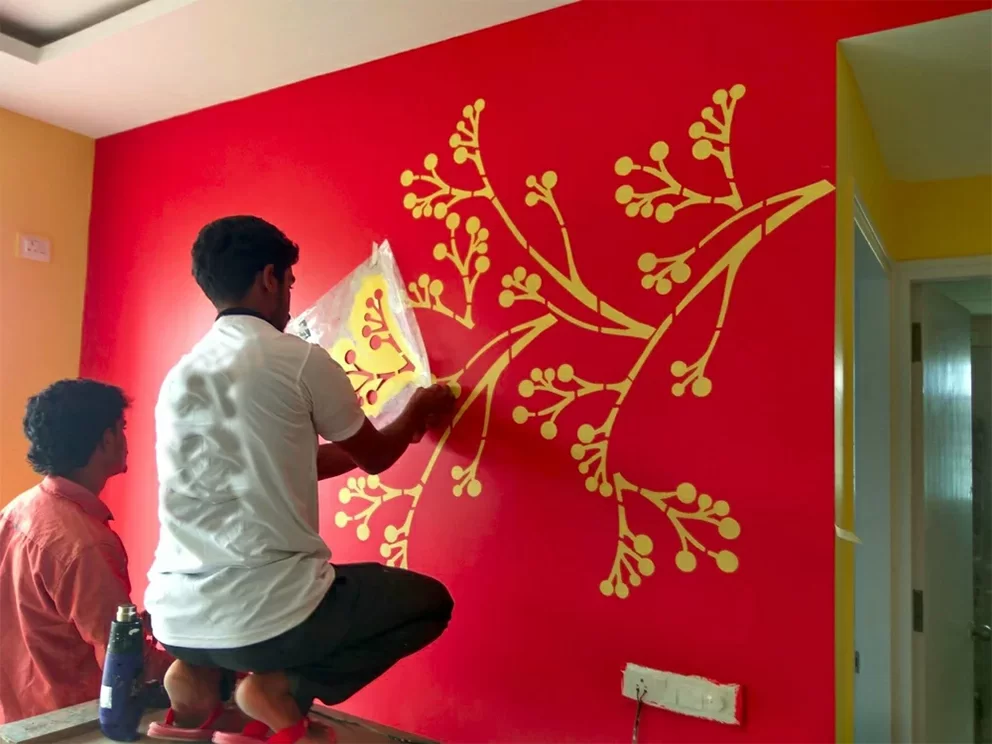
In a small Afghan home, Mahdi applies fresh paint to his walls in preparation for Nowruz, the Persian New Year. Each brushstroke represents more than mere decoration—it embodies a profound act of hope and psychological resistance against the surrounding conflict. While millions worldwide observe Ramadan’s conclusion and Hindus commence Navratri celebrations, this Afghan civilian engages in his own ritual of renewal, determined to create beauty amidst devastation.
Afghanistan’s northern and eastern regions continue to experience regular security incidents, with nighttime explosions and weapon fire frequently disrupting the silence. Yet Mahdi persists in his symbolic preparation for spring, consciously choosing creation over destruction. His painting ritual occurs against a backdrop where children cannot safely play outdoors and mothers mourn lost family members.
The parallel observances of Nowruz, Ramadan, and Navratri across different cultures share common themes of spiritual purification and renewal. These traditions demonstrate humanity’s universal yearning for connection with the divine and the persistent hope for better tomorrows. From Suriname’s stability to Afghanistan’s conflict zones, people share fundamental desires for security, peaceful meals, and uninterrupted prayer.
Mahdi’s painting represents what experts might describe as ‘everyday resistance’—a psychological defense mechanism against trauma through normalizing rituals. His actions demonstrate how civilians maintain agency in conflict zones through cultural preservation and domestic practices that assert life over death.
This story invites global reflection on the privilege of peace and security experienced in many societies, reminding us that millions worldwide lack these basic necessities. The article calls for greater awareness and solidarity with those maintaining hope amid adversity, emphasizing that small acts of courage collectively contribute to healing fractured communities.