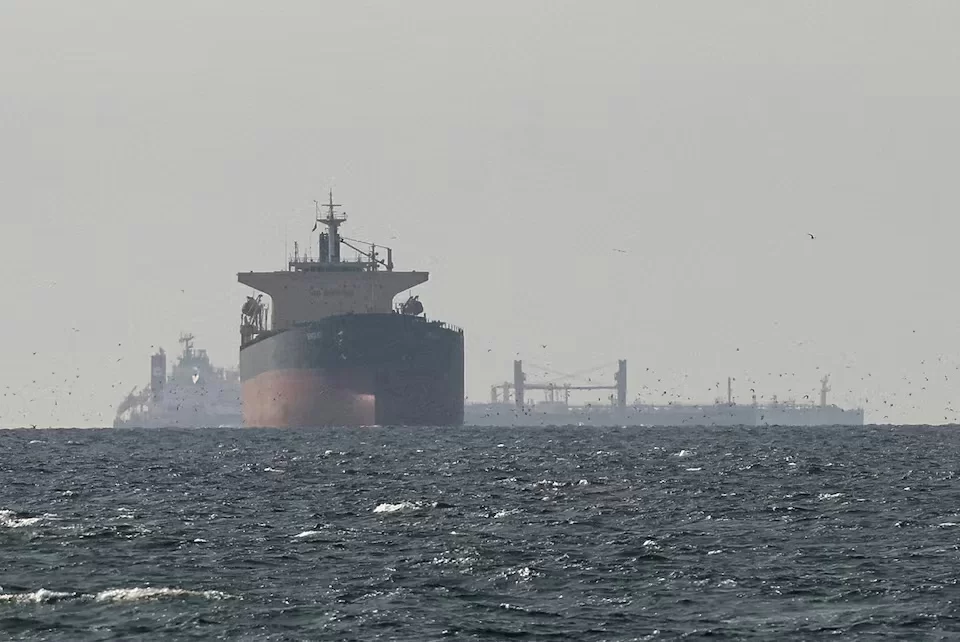
Amid escalating tensions with the United States and Israel, Iran has strategically weaponized the world’s most critical oil transit route—the Strait of Hormuz—transforming it into a powerful deterrent against military superiority, according to three regional sources familiar with Tehran’s strategy. This maneuver effectively leverages the Gulf’s primary economic artery to neutralize adversaries’ advantages while triggering global energy market disruptions.
Historical Precedents and Enhanced Capabilities
Iran’s current tactics echo its playbook during the 1980–1988 Iran-Iraq Tanker War, when it targeted vessels to destabilize maritime security. However, modern advancements have drastically amplified its reach: Tehran now possesses extensive stockpiles of low-cost missiles and drones capable of threatening shipping across a broader region. Notably, recent attacks demonstrate Iran’s ability to disrupt traffic without mining waters, showcasing evolved asymmetric warfare techniques.
International Reactions and Warnings
U.S. President Donald Trump has issued stern warnings to Iran, emphasizing that Washington “completely destroyed military targets” and threatening further strikes on Iranian oil infrastructure, including the strategic Kharg Island. He asserted that any obstruction of free navigation through the Strait of Hormuz would prompt immediate reconsideration of U.S. actions. Meanwhile, Gulf states like the UAE and Saudi Arabia expressed deep concern over regional escalation, urging civilians to avoid ports and military sites while collaborating with international partners to safeguard maritime security.
Strategic Doctrine and Economic Warfare
At the core of Iran’s strategy lies the recognition of its military limitations against superior forces. Instead of direct confrontation, Tehran aims to exert economic pressure—both domestically and globally—to undermine support for the war in the U.S. and compel negotiations. This approach aligns with the Islamic Revolutionary Guard Corps’ (IRGC) decentralized “Mosaic” doctrine, designed to withstand decapitation strikes by dispersing command structures.
Expert Insights and Future Projections
Ali Vaez, Director of the International Crisis Group’s Iran Project, noted that the U.S. entered the conflict unprepared, driven by “wishful thinking and poorly conceived strategies.” He argued that while Washington could significantly weaken Iran, total defeat would require a ground invasion with potentially one million soldiers—a scenario the U.S. has “no appetite for.” Iran’s immediate goal is survival, coupled with demonstrating to Washington that coercive tactics—military, economic, or diplomatic—are ineffective. By leveraging the Hormuz chokepoint and expanding the battlefield beyond its borders, Tehran bets on outlasting a far stronger adversary.