Saint Lucia is grappling with a severe water scarcity crisis in 2026, driven by climate-induced drought conditions and exacerbated by systemic infrastructure challenges. The situation has prompted high-level governmental and private sector responses, with Prime Minister Philip J. Pierre convening emergency summits to address the nation’s mounting water security concerns.
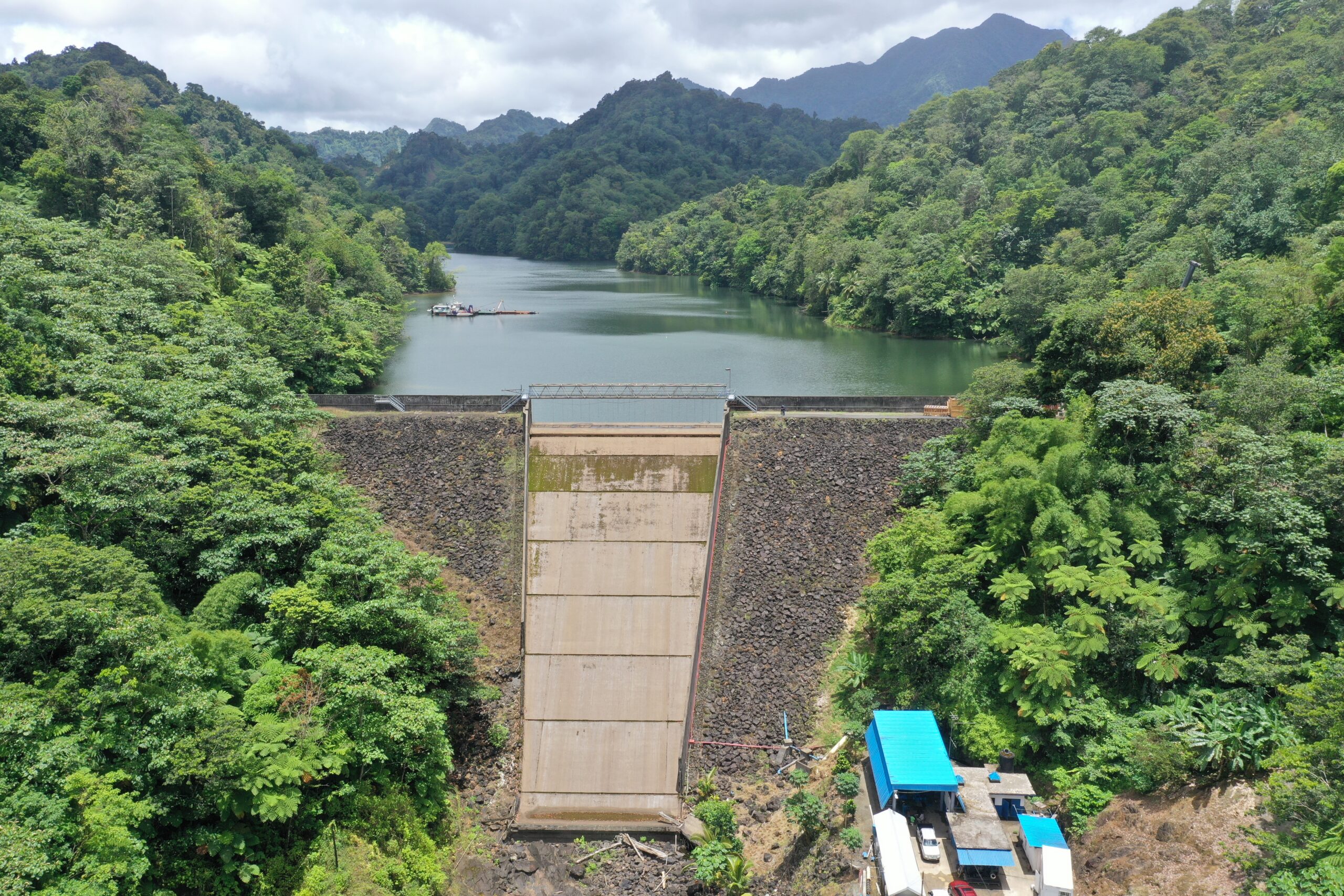
The crisis stems from multiple factors: an aging water distribution network managed by the Water and Sewerage Company Inc (WASCO), significant silt accumulation in the critical John Compton Dam, and insufficient water conservation practices nationwide. These vulnerabilities have been amplified by prolonged dry spells predicted for the region.
Tourism industry leaders are facing particular pressure, with many hoteliers reportedly ignoring previous warnings about water conservation. Dr. James Fletcher, CARICOM climate envoy, had urgently advised the Saint Lucia Hotel and Tourism Association (SLHTA) in 2025 to implement rainwater harvesting systems, noting the absurdity of using expensively treated potable water for toilet flushing while drought conditions worsened.
SLHTA CEO Noorani Azeez confirmed the sector’s concerning predicament, revealing that some members have already resorted to expensive water trucking solutions. The association is now evaluating multiple contingency strategies, including expanding desalination capabilities, enhancing rainwater capture and storage systems, wastewater recycling for irrigation, and even exploring the possibility of importing water via barges from neighboring territories.
A significant development emerged from recent cross-sector discussions: the Northern Pipeline Project targeting the Bonne Terre to Gros Islet corridor is scheduled to commence in April 2026. This four-month infrastructure initiative aims to bolster water distribution capacity in Saint Lucia’s densely populated northern region, which serves as a crucial economic hub.
The SLHTA is simultaneously seeking government incentives for water auditing and conservation investments while acknowledging WASCO’s ongoing efforts to upgrade its facilities. Industry representatives emphasize that their self-funded water security initiatives aim to reduce pressure on public water supplies, ensuring domestic consumers maintain priority access during the ongoing crisis.