India has launched urgent diplomatic initiatives to secure safe passage for 22 commercial vessels currently immobilized west of the strategically critical Hormuz Strait, according to a Saturday statement from the Ministry of External Affairs. The development follows Iran’s exceptional authorization permitting limited Indian ships to traverse this vital maritime corridor, which facilitates approximately 20% of global oil and liquefied natural gas shipments.
External Affairs Ministry spokesperson Randhir Jaiswal confirmed India’s ongoing engagement with multiple Middle Eastern stakeholders including Gulf states, Iran, the United States, and Israel, emphasizing that energy security considerations remain paramount. Iranian Ambassador to India Mohammad Fathali separately verified that Tehran had granted safe passage privileges to select Indian vessels.
The maritime impasse stems from suspended shipping operations through the Hormuz Strait following recent American and Israeli military actions against Iran. This disruption has triggered India’s most severe gas crisis in decades, forcing authorities to prioritize household supply over industrial consumption.
Shipping Ministry Special Secretary Rajesh Kumar Sinha detailed the composition of affected vessels: four crude oil tankers, six LPG carriers, and one LNG ship. In a positive development, two Indian Oil Corporation-chartered vessels—Shivalik and Nanda Devi—successfully navigated the strait and are scheduled to dock at Mundra and Kandla ports on March 16-17, carrying over 92,000 tons of liquefied petroleum gas.
Concurrently, India is leveraging its BRICS presidency to forge consensus among member nations—Brazil, Russia, China, South Africa, and newcomer Iran—regarding the Middle East conflict.
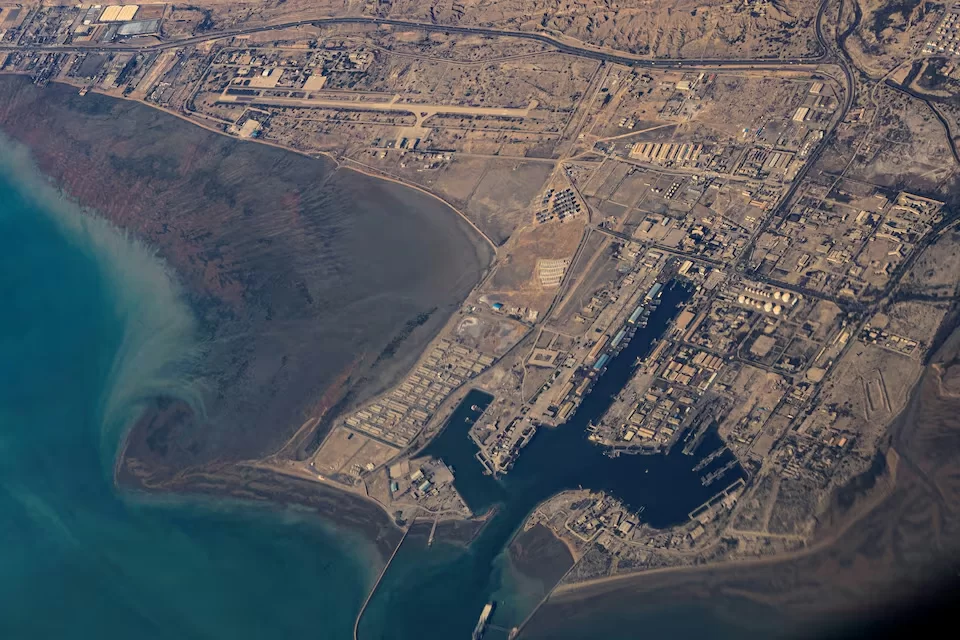
The human dimension of this crisis involves approximately 23,000 Indian seafarers working throughout the Gulf region. Among them is 26-year-old Ambuj, stranded for two weeks at Bandar Abbas port after six months away from family. His vessel remains anchored following warnings from Iran’s Islamic Revolutionary Guard Corps about navigation risks in the strait, a situation replicated across hundreds of commercial ships.
Seafarer M. Kanta reported observing drones and fighter jets nearby while experiencing temporary Starlink internet disruptions that amplified onboard anxieties, though connectivity resumed March 6. An anonymous crew member described witnessing a drone strike on another vessel, noting that sleep has become difficult due to persistent fear and uncertainty.
The Indian government maintains active coordination with Iranian and international authorities to ensure seafarer safety amid escalating regional tensions.