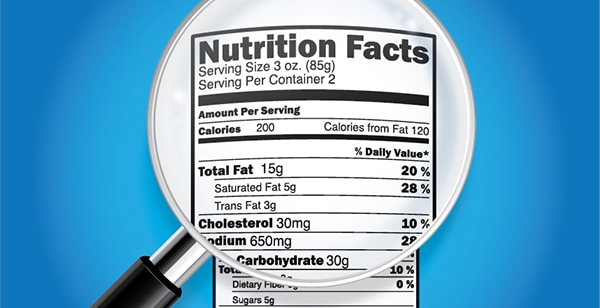
A landmark report from the Pan American Health Organization (PAHO) reveals significant advancements in the implementation of front-of-package warning labels (FOPL) on food products across the Americas, positioning the region as a global pioneer in public health policy. The comprehensive study, titled ‘Best Practices for Front-of-Package Food Labeling in the Region of the Americas,’ evaluates existing regulatory frameworks in eight nations against scientific evidence and PAHO’s established recommendations for optimal effectiveness.
According to the findings, the Americas maintain a leadership role in adopting nutritional warning systems that empower consumers to make healthier purchasing decisions by easily identifying products with excessive sugars, sodium, or saturated fats. This regulatory progress not only addresses the critical public health challenge of diet-related noncommunicable diseases but also serves as an inspiration for policy innovation worldwide.
Fabio da Silva Gomes, PAHO’s regional advisor on nutrition and physical activity, emphasized that while these labels are crucial tools for consumer awareness, further expansion and refinement are necessary. ‘Much remains to be done for more countries to adopt these policies and for existing systems to be aligned with evidence-based best practices,’ Gomes noted.
The report specifically highlights Argentina, Colombia, and Mexico as having implemented regulations most closely aligned with PAHO’s criteria, with Argentina’s legislation meeting 10 out of 11 evaluated parameters. These recent adopters have benefited from incorporating lessons learned from earlier implementations in countries like Chile, which first introduced warning labels in 2016.
PAHO identifies octagonal warning labels as the most effective design for capturing consumer attention and facilitating product identification. The organization’s nutrient profile model serves as a key tool for determining which products should carry warnings, ensuring comprehensive coverage of ultra-processed foods.
Beyond consumer choice, these labeling systems enable complementary public health measures including advertising restrictions, school food regulations, and fiscal policies targeting unhealthy products. With over 30 countries currently considering or discussing new FOPL regulations, the report indicates growing global momentum toward creating healthier food environments through evidence-based policy making.