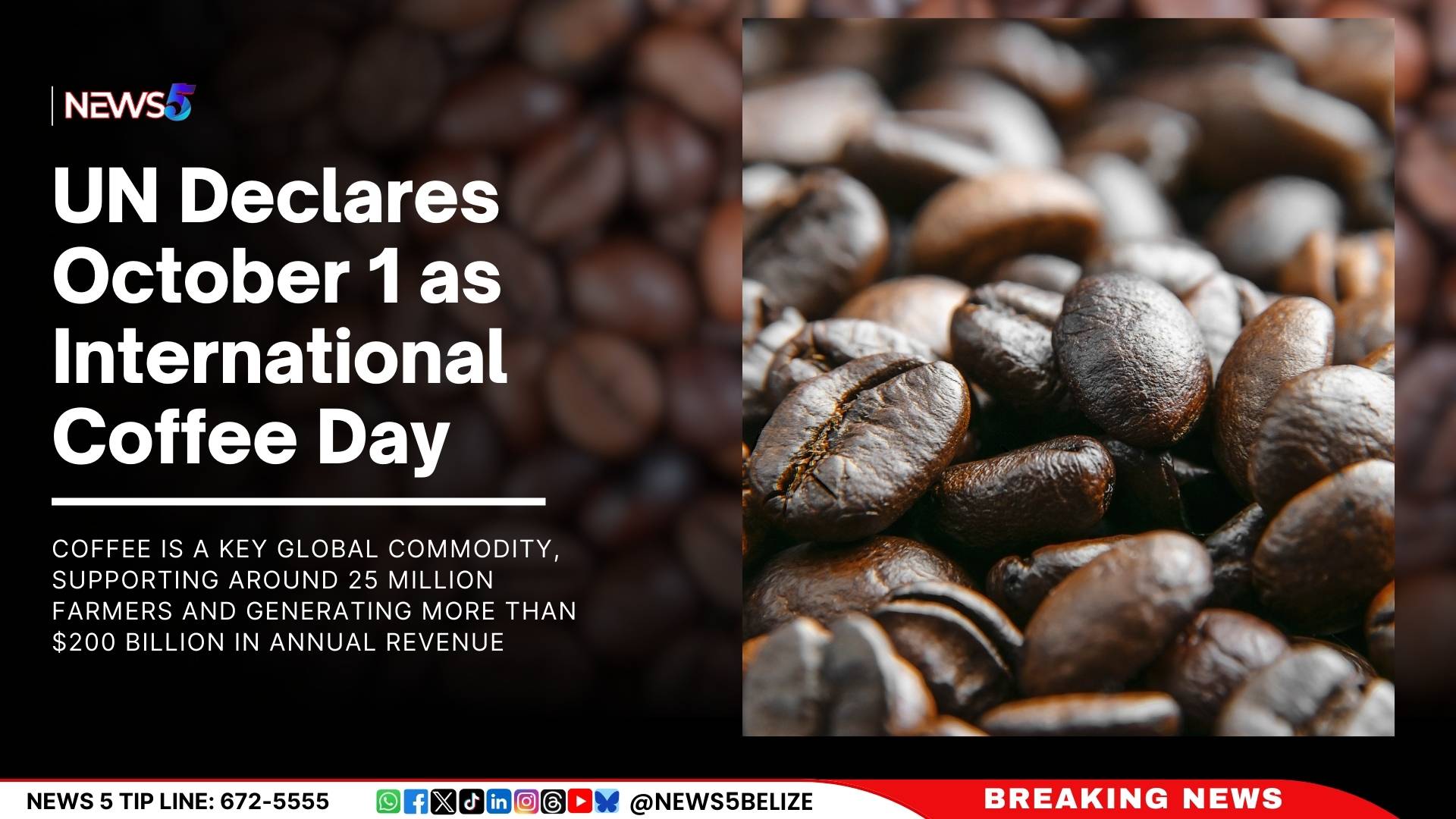
In a landmark decision on March 12, 2026, the United Nations General Assembly formally designated October 1 as International Coffee Day, creating an annual global observance celebrating coffee’s profound socioeconomic significance. This resolution recognizes coffee’s multifaceted role in sustaining communities, driving economic development, and enhancing food security worldwide.
The declaration underscores coffee’s critical function in supporting approximately 25 million agricultural producers globally while generating over $200 billion in annual revenue. The resolution specifically highlights coffee’s contribution to achieving key UN development objectives, including poverty reduction, hunger eradication, gender equality through women’s empowerment, and the promotion of sustainable employment opportunities.
FAO Director-General QU Dongyu emphasized the commodity’s connective power, stating: “Coffee serves as a vital bridge linking rural farming communities with international markets. This formal recognition will elevate global awareness of its socioeconomic value and accelerate poverty alleviation efforts.”
The economic impact is particularly significant for producing nations. Brazil and Viet Nam lead global production, while the European Union and United States represent the primary import markets. For several developing economies including Ethiopia, Uganda, and Burundi, coffee exports constitute a substantial portion of national income and foreign exchange reserves, making the crop fundamental to their economic stability.
Beyond economics, the resolution acknowledges coffee’s enduring cultural significance as a tradition spanning generations and continents. The establishment of International Coffee Day aims to foster greater appreciation for the entire coffee value chain, from cultivation to consumption, while promoting sustainable practices throughout the industry.