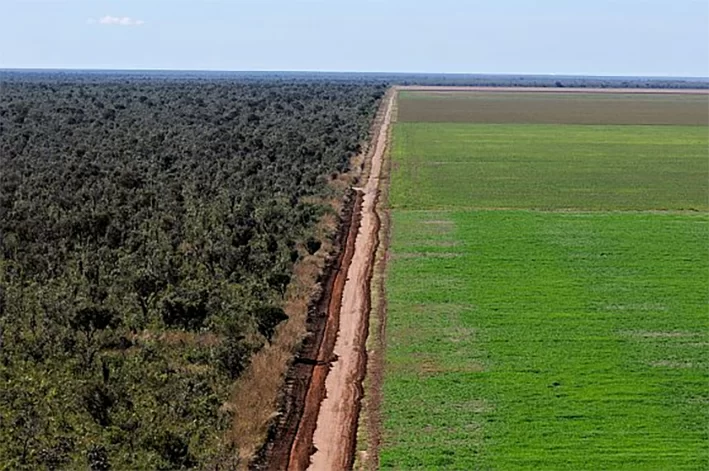
A coalition of environmental organizations in Suriname has issued an urgent warning about planned large-scale soybean cultivation that poses a severe threat to the country’s primary forests. The allocation of 113,000 hectares of agricultural land, including 50,000 hectares dedicated to soybean production, risks the loss of over 7% of Suriname’s forest cover, potentially jeopardizing its status as the “greenest country on Earth.”
The Green NGO Collective delivered an open letter to parliament highlighting how massive agricultural expansion contradicts the government’s own “Green Development Strategy,” which explicitly identifies large-scale agriculture as the worst-case scenario for the nation’s environmental future. The groups detailed numerous ecological concerns, including deforestation, biodiversity loss, soil and water contamination from agricultural chemicals, and disruption of critical watersheds essential for rice field irrigation.
Environmentalists note that these developments directly conflict with Suriname’s official 50-year structural vision, which excludes large-scale agriculture in primary forests and concentrates farming activities in traditional agricultural zones such as Nickerie, Coronie and Saramacca.
The coalition is demanding parliamentary clarification on how massive agricultural concessions in pristine forests align with both national policy and international environmental agreements. They emphasize that deforestation not only causes environmental damage but could also trigger social conflicts by displacing indigenous communities and undermining their traditional ways of life.
While acknowledging potential economic benefits from large-scale agriculture, the organizations warn of unequal profit distribution, increased dependence on foreign corporations, and the loss of sustainable economic potential in the long term. Additionally, environmental degradation could lead to higher healthcare costs due to pollution-related health issues in affected regions.
The environmental groups remain open to dialogue and hope for a constructive government response to collaboratively develop a sustainable future for Suriname that balances economic development with environmental preservation.