The Middle East faces a severe energy crisis as Iran threatens to drive oil prices to $200 per barrel amid escalating military conflicts. This warning comes as the International Energy Agency (IEA) recommends the largest-ever release of strategic oil reserves—400 million barrels—to mitigate one of the most significant oil shocks since the 1970s.
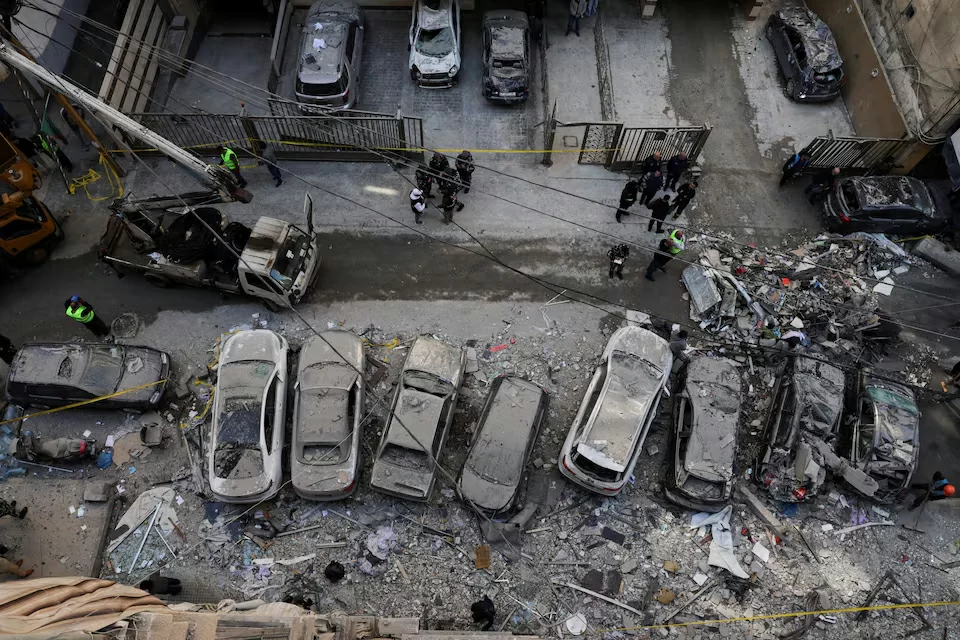
The conflict, which began nearly two weeks ago with joint U.S.-Israeli airstrikes, has resulted in approximately 2,000 fatalities, primarily Iranians and Lebanese. The war has expanded into Lebanon and caused substantial disruption to global energy markets and maritime transport. Iranian Revolutionary Guard forces have targeted commercial vessels in the Gulf, with three ships struck recently after ignoring Iranian commands. A Thai-flagged bulk carrier was set ablaze, leading to crew evacuations and three missing persons.
Despite intense aerial bombardments described by the Pentagon as the most severe since the war began, Iran demonstrated its capacity to retaliate with attacks on Israeli and Middle Eastern targets. Israel’s Defense Minister stated that military operations would continue “without time limits until all objectives are met,” while former President Trump suggested the campaign might be nearing its conclusion.
The Strait of Hormuz, a critical oil export route, remains unsafe for shipping due to Iranian mine placements, strengthening the blockade. Iran warned that economic and trade centers in the region could become legitimate targets if attacks persist.
Oil prices, which nearly reached $120 per barrel earlier in the week, fell to around $90 before surging nearly 5% on Wednesday due to renewed tensions. Wall Street’s major indices declined as investors grappled with the prospect of prolonged conflict.
The U.S. State Department issued warnings about potential Iranian attacks on American oil and energy infrastructure in Iraq. Meanwhile, the FBI alerted the public to possible Iranian drone attacks on the U.S. West Coast, though Trump expressed confidence in U.S. defenses.
Despite calls from Turkey and European nations for a ceasefire, both U.S. and Israeli objectives remain focused on crippling Iran’s regional power projection capabilities and nuclear program. Iranian military spokesperson Ebrahim Zolfaqari emphasized the country’s intent to inflict prolonged economic shock through oil market disruption.
Internal dynamics in Iran show resilience despite external pressure. Mass funeral processions were held for fallen commanders, including Supreme Leader Ayatollah Ali Khamenei. Tehran residents have adapted to nightly bombardments and environmental hazards, while Iranian authorities warned against domestic protests.
Kurdish opposition leader Abdullah Mohtadi claimed tens of thousands of young Iranians are prepared to revolt if supported by the U.S., though Israeli officials privately acknowledge the regime’s likely survival.