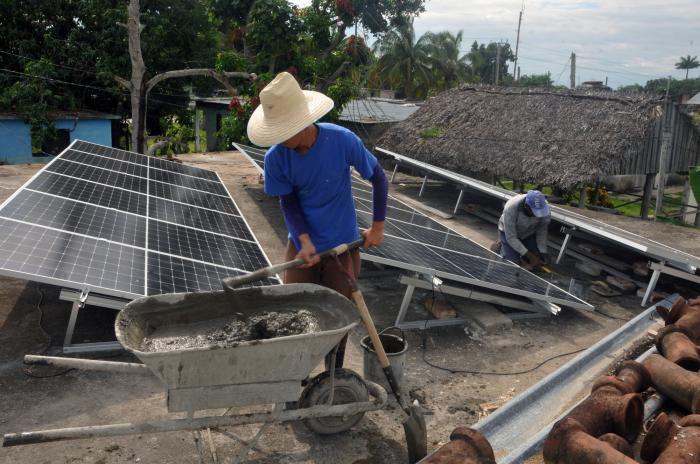
Cienfuegos province has positioned itself at the forefront of Cuba’s renewable energy revolution, implementing a multifaceted solar energy program that extends far beyond conventional photovoltaic parks. While four major solar farms form the backbone of this initiative, the true transformation manifests through decentralized applications improving daily life across urban and rural communities.
The solar transformation encompasses critical infrastructure including water pumping systems that now serve over 20,000 residents across multiple municipalities. Beginning in San Marcos settlement, the program has expanded to include 63 pumping stations with motors under 10kW capacity, particularly benefiting regions like Lajas that historically faced severe water table challenges. The Real Campiña community hosts the largest system with 64 photovoltaic modules delivering 20 liters per second.
International cooperation has accelerated progress, with Japan funding a €63,000 project providing potable water to 1,200 residents in Abreus municipality. Meanwhile, Swiss solidarity organizations have supported artistic communities in the Escambray Mountains through solar-powered pumps serving 87 families and sustaining community gardens.
The provincial government has additionally launched a residential solar program benefiting 470 education and health sector workers through structured payment plans. This initiative has been met with widespread appreciation, recognized both for its practical benefits and as symbolic recognition of professional dedication.
Urban infrastructure has similarly undergone transformation with 78 solar-powered street lights now illuminating key thoroughfares including San Fernando Boulevard and José Martí Park. These installations generate daily savings of 690 kWh, translating to approximately $65,000 in annual cost reduction.
Looking forward, Cienfuegos continues expanding its renewable capacity with construction underway on a new 5 MW photovoltaic park in the CEN-Juraguá area, part of China’s 120 MW donation package. Provincial plans envision four additional 21.87 MW facilities, potentially bringing total large-scale installations to eight. Combined with existing smaller facilities, the province’s 127 MW solar capacity now saves an estimated 41,000 tons of fossil fuels annually, demonstrating renewable energy’s tangible economic and environmental benefits.