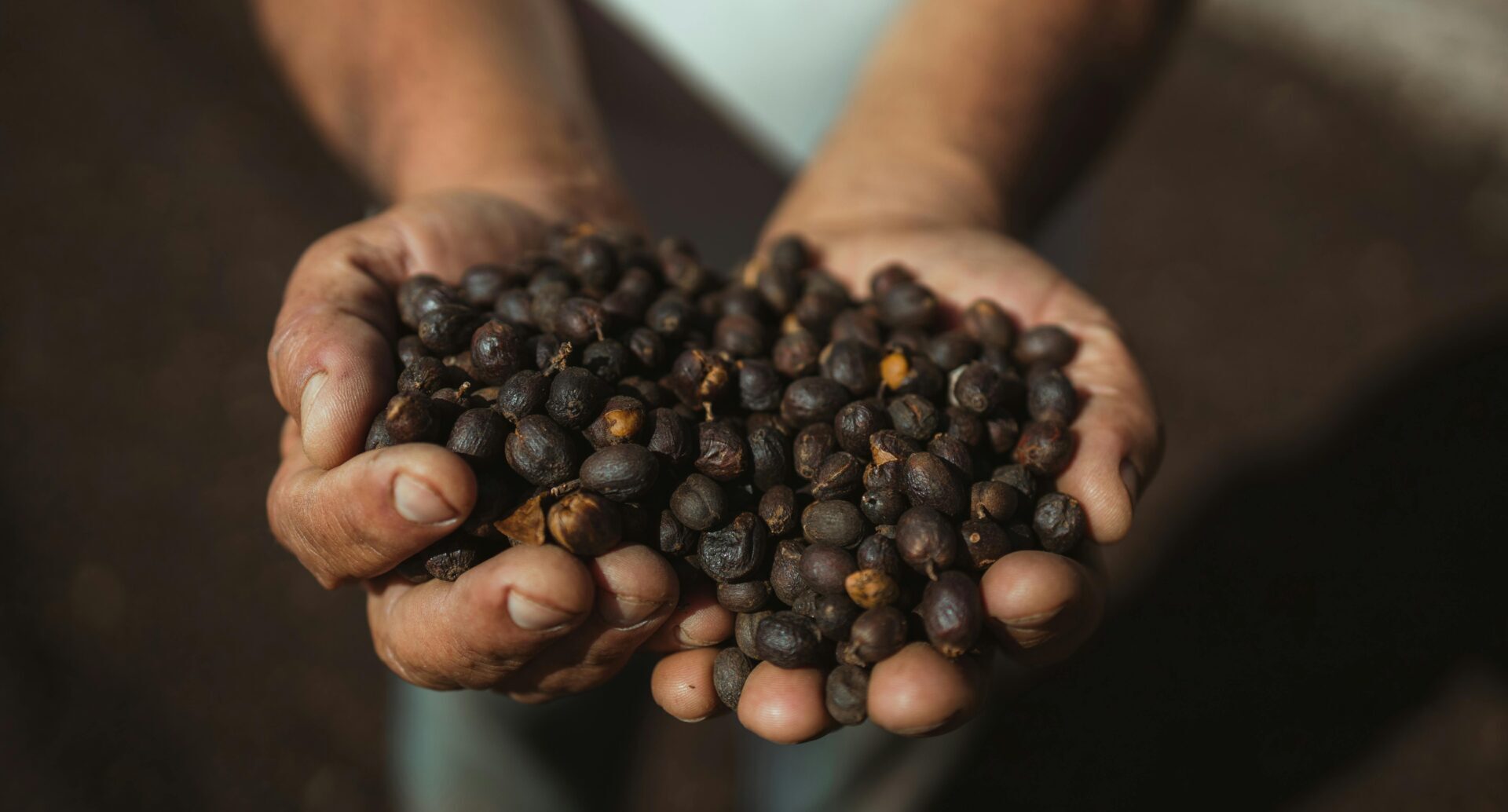
In a historic move, the United Nations General Assembly has formally recognized coffee’s profound global significance through a groundbreaking resolution that establishes International Coffee Day. The Food and Agriculture Organization (FAO) will lead observances celebrating coffee’s extraordinary journey from ancient crop to modern cultural phenomenon.
The resolution transcends coffee’s identity as merely a beverage, acknowledging its deep historical roots, social importance, and cultural symbolism across civilizations. It positions coffee as both a vital agricultural commodity and a universal social ritual that has shaped human interaction for centuries.
Crucially, the UN resolution documents coffee’s substantial contributions to achieving multiple Sustainable Development Goals. These include combating hunger, reducing extreme poverty, promoting gender equality, and fostering sustainable economic growth through decent work opportunities. FAO analysis demonstrates how coffee production and trade systems support both local communities and global development initiatives.
FAO Director-General QU Dongyu emphasized: “Coffee represents more than a drink—it’s a comprehensive global commodity chain that sustains millions of farming families and connects rural communities to international markets. This formal recognition will amplify awareness of coffee’s socio-economic importance and enhance its poverty eradication potential.”
The resolution gained momentum after endorsement during FAO’s 44th Conference in 2025. The organization will now collaborate with the International Coffee Organization and other partners to develop meaningful observances that highlight coffee’s economic impact and promote sustainable industry practices.
Current statistics underscore coffee’s massive economic footprint: global production exceeded 11 million tonnes in 2024, with approximately 8 million tonnes traded internationally. The industry generates nearly $25 billion in value, with bean trade reaching $34 billion. For numerous developing nations including Ethiopia, Uganda, and Burundi, coffee exports constitute vital foreign exchange earnings, sometimes exceeding food import costs.
FAO’s extensive support programs for coffee-producing countries include climate adaptation strategies, pest management, agroforestry practices, and development of climate-resilient varieties. Initiatives such as Farmer Field Schools in Panama and cooperative models in Cuba demonstrate practical approaches to environmental challenges. Additional programs in Honduras, Guatemala, and Uganda focus on traceability systems and sustainability standards alignment.
Through its Hand-in-Hand Initiative and World Bank partnerships, FAO mobilizes investments to enhance smallholder efficiency and income. The formal establishment of International Coffee Day provides a dynamic platform for strengthened collaboration, knowledge exchange, and concerted action toward building a more resilient, inclusive, and environmentally sustainable coffee sector worldwide.