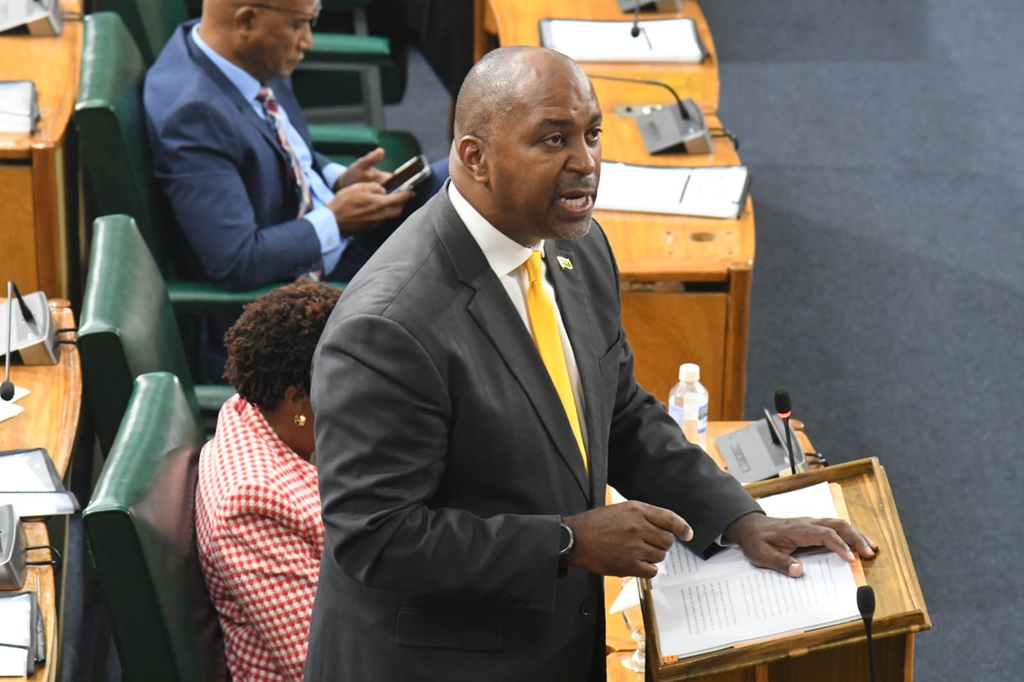
In a forceful address to Jamaica’s Parliament during the 2026-2027 Budget Debate, Opposition Finance Spokesman Julian Robinson launched a severe critique against the government’s newly announced $18 billion tax package. Robinson characterized the imposition of fresh taxes following the devastation of Hurricane Melissa as fundamentally unconscionable, arguing it places unjustifiable pressure on citizens already grappling with recovery.
Robinson detailed the direct impact on Jamaican households, noting that consumers will face immediately higher grocery expenses due to the administration’s fiscal decisions. The comprehensive tax measures, which target sweetened beverages, tobacco products, pure alcohol, and tourism-related activities, collectively approach $30 billion in new revenue generation.
From an economic policy perspective, the opposition spokesman articulated a sophisticated critique, labeling the tax increases as a ‘procyclical response’ to economic contraction. Robinson explained that rather than countering economic slowdown, the government’s approach exacerbates existing challenges by applying pressure in the same direction as the economic decline. He emphasized that Jamaica’s tax base has been substantially weakened by a decade of limited growth under the current administration, further compromised by Hurricane Melissa’s impact.
Robinson proposed an alternative economic strategy centered on countercyclical measures that would stimulate economic activity and create organic conditions for tax base recovery. He asserted that sustainable revenue generation emerges from economic growth rather than taxation of financially stressed populations.
The opposition spokesman further highlighted the disproportionate burden falling on lower-income Jamaicans and elderly citizens, who continue to struggle with post-hurricane recovery. Robinson concluded with a cricket metaphor, stating that if his People’s National Party were governing, ‘this is not the shot we would have played,’ signaling fundamental disagreement with the government’s fiscal approach.