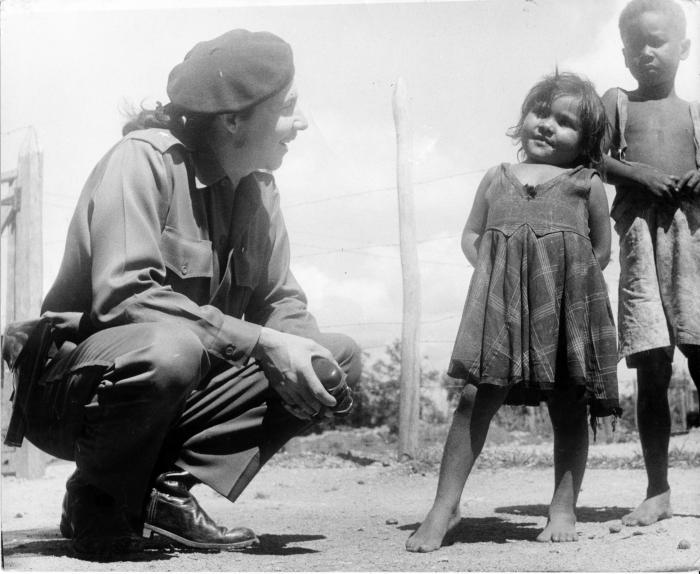
Six decades after its revolutionary triumph, Cuba continues to honor the strategic military campaign that significantly contributed to its historical transformation. The Second Eastern Front Frank País García, established on March 11, 1958, by then-Commander Raúl Castro Ruz under Fidel Castro’s directive, remains a cornerstone of Cuba’s revolutionary narrative.
The mountainous region of Mícara in eastern Cuba served as the operational base for this sophisticated guerrilla force that eventually controlled approximately 12,000 square kilometers across what now constitutes the provinces of Santiago de Cuba, Guantánamo, and Holguín. During its nine-month and twenty-two-day campaign, the Front executed over 250 combat operations, captured 31 military barracks, and successfully liberated numerous towns and cities from Batista’s regime.
Beyond military accomplishments, the 27-year-old Raúl Castro demonstrated remarkable administrative vision by establishing multiple governmental departments including Justice, Public Health, Infrastructure Development, Treasury, Education, and Propaganda. The Front established approximately 20 medical facilities and 400 educational institutions, substantially improving living conditions for mountain communities. Fidel Castro would later describe this achievement as “an exemplary model of organization, administration, and order.”
The commemorative mausoleum at the foot of the Mícara hills serves as a permanent memorial where official ceremonies regularly honor the revolution’s heroes. The site pays particular tribute to female combatants including Vilma Espín Guillois and Asela de los Santos Tamayo, whose courageous contributions in high-risk missions remain integral to the Front’s legacy.
The municipality of Segundo Frente, developed around the former operational territory, now features extensive socioeconomic infrastructure and modern architecture, representing the revolution’s enduring impact on regional development.