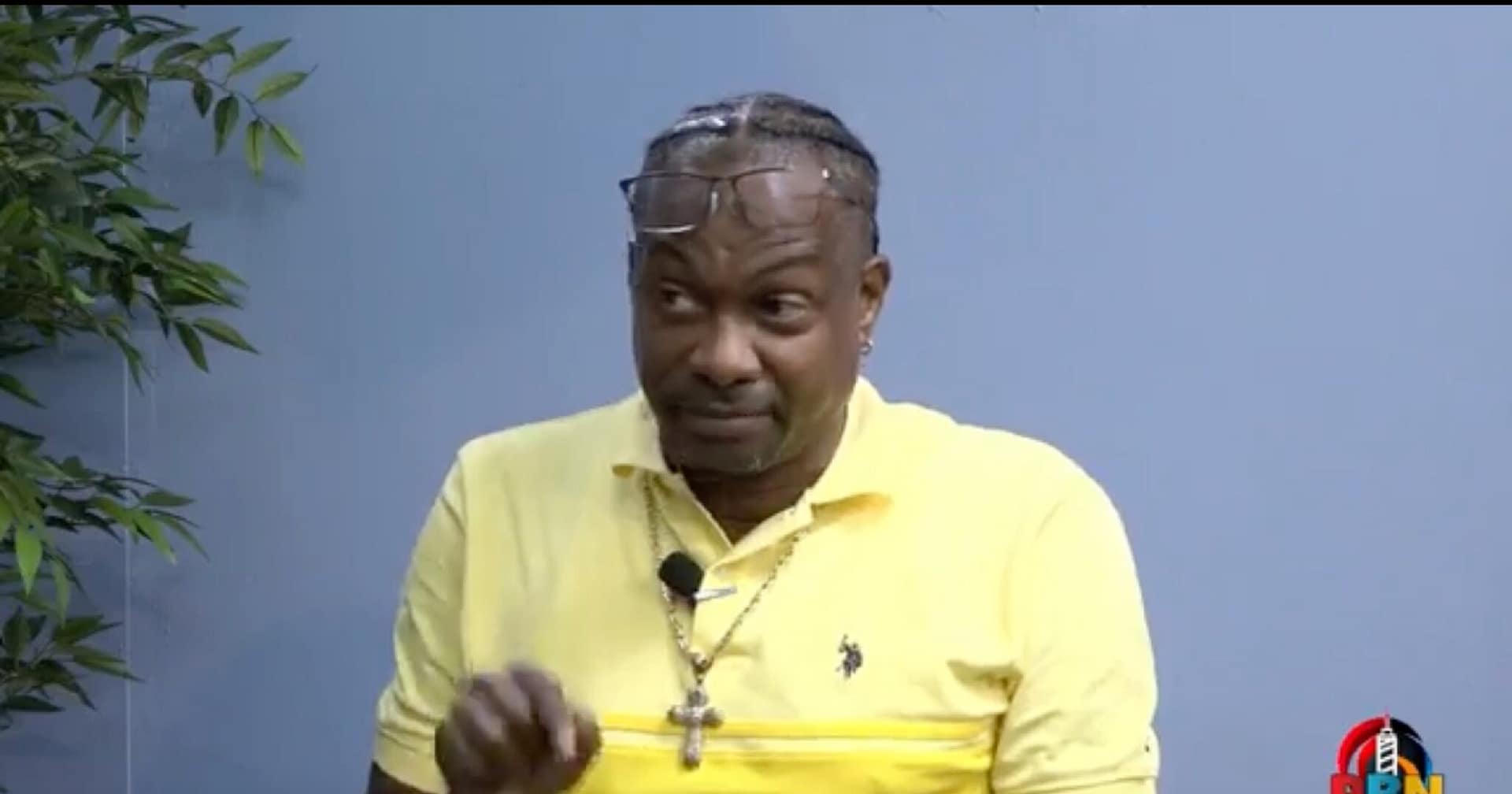
A significant discussion regarding Antigua and Barbuda’s audio infrastructure capabilities has emerged between Prime Minister Gaston Browne and Whitney Williams, operator of Stonewall Sounds. The dialogue centered on government plans to invest in new audio equipment for the nation’s growing festival and conference sector.
Williams firmly rejected claims that the current sound systems are inadequate for professional standards while acknowledging that continuous improvements are necessary in the live-production industry. “I have no problem with the government getting a sound system or a stage,” Williams stated during the exchange, emphasizing that “the issue here is finance” rather than technical capability.
The sound engineer detailed substantial cost increases for modern production equipment, particularly post-pandemic, noting that investments can easily reach $300,000 for just two mixing boards. He highlighted that his company already operates premium equipment brands including E.A.W. systems used by major international performers, while conceding that expansion of speaker arrays and equipment would further enhance system capabilities.
Prime Minister Browne defended the government’s position, citing professional reviews and a production management report following the One Nation festival that found the public-address system outdated and potentially insufficient for large international performances. “Antigua is now mushrooming into a strong festivals and conference destination. We have to be competitive,” Browne asserted, referencing the country’s ambitions to host more international events.
The government leader proposed a multi-purpose sound system that could serve conferences, concerts, and major national events, potentially reducing costs associated with importing equipment for large productions. Browne clarified that the initiative isn’t intended to exclude local providers like Stonewall Sounds, suggesting a compromise where government-owned equipment would handle large international events while local providers continue servicing smaller functions.
Williams indicated willingness to accept such an arrangement, stating he had “no problem with that” approach. The discussion occurs as Antigua and Barbuda positions itself as a regional festival and conference destination, weighing whether to acquire professional sound infrastructure or partner with local providers to expand capabilities.