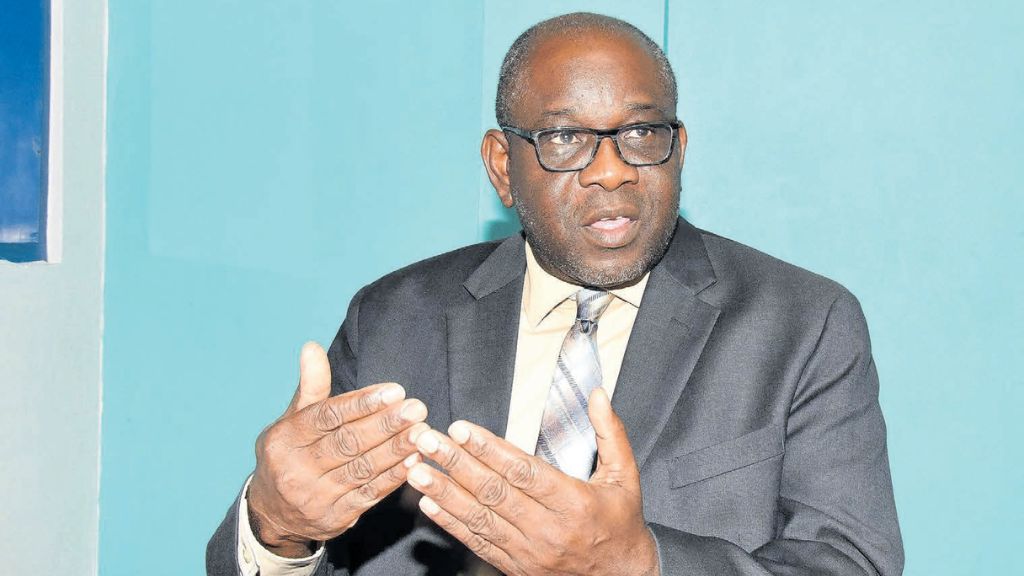
Jamaica’s fiscal stability faces a critical juncture as its Independent Fiscal Commission issues a stark warning against the nation’s escalating public sector wage bill. Fiscal Commissioner Courtney Williams cautioned that the current trajectory—where compensation costs consume an ever-growing portion of tax revenues—threatens to undermine long-term economic growth and climate resilience.
The Commission’s February 2026 Economic and Fiscal Assessment Report identifies multiple structural challenges creating mounting fiscal pressures. These include wage growth disconnected from economic performance, systematic under-execution of capital projects, and recurring climate shocks. The report emphasizes that this combination necessitates immediate structural corrections to preserve fiscal sustainability.
Statistical evidence reveals a dramatic shift in budget allocation patterns. Wages and salaries now claim 56% of tax collections—a sharp increase from just over 36% in FY2021/22. During the review period, compensation reached $381.2 billion, exceeding projections by approximately 2%. Meanwhile, capital expenditure plummeted to 37.2% below original estimates, creating a dangerous imbalance between recurrent spending and productivity-enhancing investments.
The timing mismatch between wage negotiations and budget cycles continues to exacerbate fiscal uncertainty. Despite a contingency allocation of $42.8 billion for wage settlements in the 2026/27 fiscal plan, the Commission questions whether this adequately covers ongoing negotiations. Potential shortfalls could force the government toward increased borrowing or disruptive budgetary adjustments.
The report concludes with urgent recommendations for structural reform: aligning wage discussions with budget cycles, tethering compensation growth to economic performance, and implementing stronger fiscal rules. These measures aim to balance necessary public sector compensation with the critical investments required for Jamaica’s sustainable development.