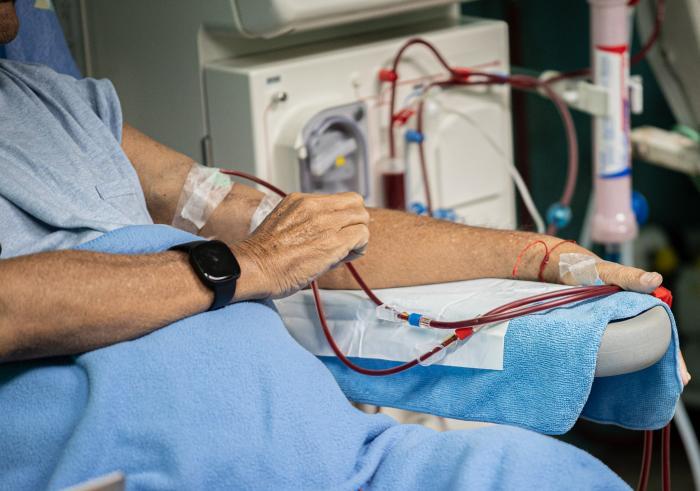
In the hemodialysis units of Cuba’s Dr. Abelardo Buch López Institute of Nephrology, patients like Zurama confront a daily reality of survival tied to medical machinery. ‘I have to depend on it,’ she states, reflecting on her post-COVID-19 renal failure diagnosis since 2020. ‘If there’s no fuel, nobody here could get hemodialysis.’
The institute, serving 45 of Cuba’s 57 hemodialysis centers supporting over 3,000 renal replacement therapy patients, faces systemic challenges. Julio César Candelaria Brito, head of hemodialysis services, emphasizes that treatment continuity relies on an integrated system encompassing transportation, medical supplies, and electricity—all compromised by national fuel shortages.
Critical supply deliveries, once routine, now arrive in precarious small batches. ‘We’re waiting for the truck to arrive today to ensure we can start tomorrow’s session,’ Candelaria reveals. Dialysis machines demand uninterrupted power for operation and water deionization, with aging backup batteries posing additional risks. Nurse Dairy Rodríguez Barreto confirms: ‘Without hemodialysis, the patients could die.’
Transportation compromises have forced taxi services to limit patient shuttle routes, sometimes excluding essential companions. Nurse José Carlos Castillo Curbeco notes consequent emergency admissions when missed treatments endanger lives. The institute has prepared contingency beds for such crises.
Director Yamilé García Villar acknowledges infrastructure strains: ‘We’ve experienced breakdowns in water treatment systems delaying sessions until 4:00 a.m.’ Despite these challenges, she affirms the program’s uninterrupted operation through staff dedication. However, U.S. economic restrictions have impeded vital annual maintenance on dialysis equipment designed for five-year lifespans, accelerating mechanical failures.
The psychological toll compounds physical vulnerabilities. Patients experience palpable fear about treatment continuity despite assurances of political will and staff commitment. As one caregiver summarizes: ‘All illnesses have a psychological component, and the certainty that treatment is guaranteed provides well-being.’ When that certainty fractures, so does hope for Cuba’s most medically vulnerable.