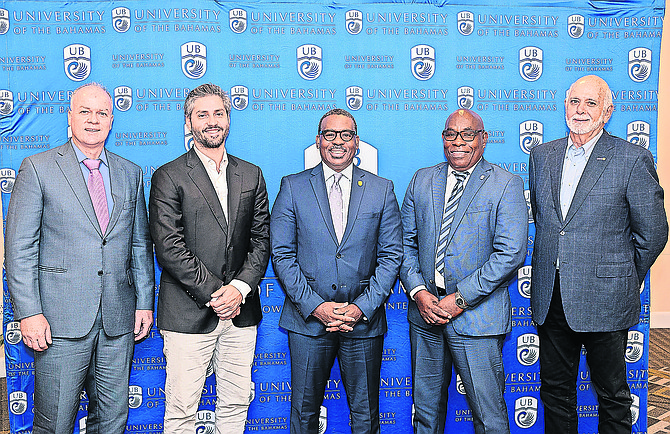
The University of The Bahamas has announced a transformative $1 million philanthropic contribution from SpaceX to fund the development of the nation’s first domestically engineered satellite. This strategic partnership represents a significant advancement in Bahamian technological capabilities and environmental research infrastructure.
The substantial funding will enable the university to establish state-of-the-art laboratories and specialized workshops where students and faculty will collaboratively design and construct a sovereign satellite system. This pioneering technology will primarily focus on monitoring The Bahamas’ extensive coastline and vulnerable marine ecosystems, generating critical data to address pressing environmental challenges including coastal erosion, climate vulnerability, and marine resource management.
Crucially, the agreement ensures that The Bahamas maintains complete ownership of all data, technology, and intellectual property derived from the project. This provision guarantees that Bahamian policymakers will have direct access to valuable intelligence for informed decision-making regarding national development and environmental protection strategies.
University President Dr. Robert Blaine III emphasized the project’s broader educational mission: “Our laboratories are evolving into innovation incubators and centers of excellence. This initiative provides our students with practical STEM experience and technical skills essential for thriving in global technology sectors while building national capacity in emerging industries.”
The satellite program aligns with the university’s expanding Small Island Sustainability academic curriculum, which emphasizes applied research solutions for environmental monitoring of marine and terrestrial resources unique to island nations.
SpaceX Vice President of Launch Kiko Dontchev highlighted the transformative potential of university-level opportunities, noting: “My own career began with satellite construction in an academic setting. This partnership honors that educational foundation and particularly celebrates my Bahamian classmate Aisha Bowe, demonstrating how university experiences can shape extraordinary careers in science and engineering.”
Gadville McDonald, Vice Chair of UB’s Board of Trustees, characterized the donation as a strategic investment in STEM education that “prepares young Bahamians to reimagine environmental problem-solving through technological innovation while developing leadership capabilities in a rapidly evolving global economy.”
The university anticipates that SpaceX’s landmark contribution will catalyze additional partnerships and investment in Bahamian STEM education and research capabilities as the institution expands its scientific infrastructure and innovation ecosystem.