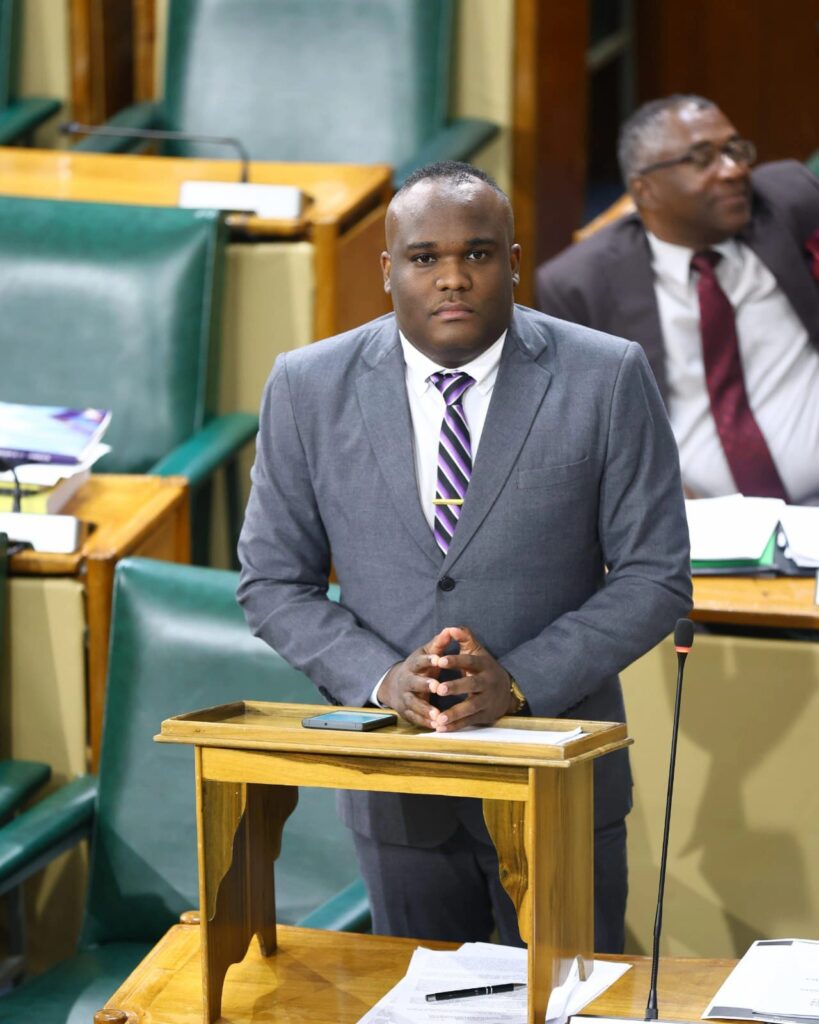
KINGSTON, Jamaica — Government Senator Abka Fitz-Henley has vigorously defended the Holness administration’s foreign policy approach, characterizing it as strategically nuanced diplomacy that has effectively shielded Jamaican citizens from potential geopolitical fallout. The senator’s remarks came during a media briefing at St Andrew’s AC Hotel on Tuesday, where he serves dual roles as chairman of the Jamaica Labour Party’s Communication Taskforce and state minister in the Office of the Prime Minister.
Fitz-Henley emphasized that the government’s diplomatic methodology, principally executed through Foreign Affairs Minister Kamina Johnson Smith over the past decade, has successfully balanced Jamaica’s national interests with principled international engagement. “The administration’s approach has been simultaneously smart, pragmatic, and nuanced—yielding significant benefits for Jamaica while maintaining robust relationships with regional and global partners,” he asserted.
The commentary arrives amid heightened scrutiny of Jamaica’s recent termination of a longstanding medical-care agreement with Cuba, which officials attributed to incompatibility with domestic legislation and international labor standards. This decision has ignited criticism from some quarters alleging capitulation to external pressures and abandonment of historical regional alliances.
Senator Fitz-Henley countered these allegations by framing the policy shift as evidence of responsible governance. “By choosing not to renew the expired agreement after unsuccessful negotiations, Jamaica demonstrates its commitment to legal compliance and international labor best practices,” he explained. “This decision reflects our government’s sophisticated understanding of evolving geopolitical dynamics and its dedication to safeguarding long-term national interests.”
The senator additionally addressed comparative analyses circulating on social media that contrast current policies with the 1970s diplomatic approach of former Prime Minister Michael Manley. Fitz-Henley dismissed these parallels as fundamentally flawed, noting that Manley’s confrontational stance had—by the PNP’s own admission—precipitated severe socioeconomic consequences for Jamaica.
He concluded by urging public support for the administration’s pragmatic diplomacy, which he believes has skillfully averted unnecessary confrontations that might have jeopardized Jamaica’s economic stability and developmental aspirations. Fitz-Henley expressed confidence that history would validate the Jamaica Labour Party’s diplomatic strategy as both commendable and worthy of academic study.