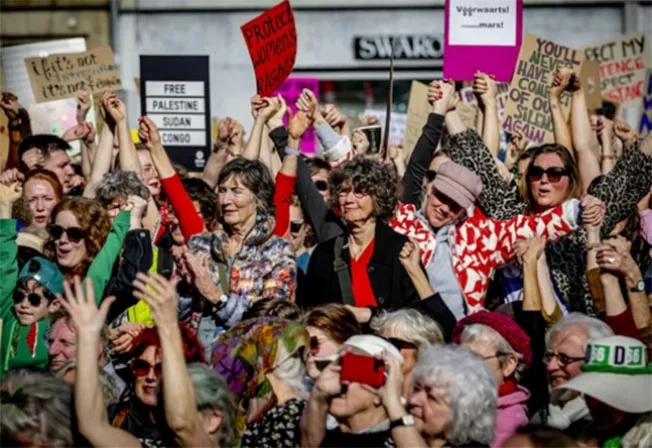
On March 8th, 2026, Suriname joins the global community in commemorating International Women’s Day—a moment dedicated to recognition, reflection, and renewed determination. While progress has been achieved, the journey toward full gender equality remains ongoing and demands persistent effort.
This observance, established by the United Nations, transcends symbolism. It represents a continuous call to action for justice, equality, and human dignity worldwide. True advancement requires unwavering commitment, solidarity, and courage.
Suriname marked a historic milestone on July 16, 2025, with the inauguration of its first female president since gaining independence in 1975, Her Excellency Jennifer Geerlings-Simons. This breakthrough signifies far more than a political shift; it embodies a transformative step in leadership representation and affirms national confidence in women’s capacity to guide the nation’s future. This achievement sends a powerful message to young girls across the country: their place is at every decision-making table.
However, significant challenges persist. The UN Secretary-General’s 2026 message highlights that global gender equality faces substantial legal hurdles. Women worldwide possess approximately only 64% of the legal rights available to men, revealing inequality that is not merely social or cultural, but often embedded within judicial frameworks.
The UN’s theme for 2026, aligned with the 70th session of the Commission on the Status of Women, emphasizes three critical pillars: the abolition of discriminatory legislation, the guarantee of full legal equality, and the transition from symbolic gestures to tangible action. This necessitates robust law enforcement and active combat against gender-based violence.
Progress must be inclusive, reaching all women including those experiencing poverty, living with disabilities, residing in rural areas, and girls denied educational access. In Suriname, legislative protection alone proves insufficient, as evidenced by recent increases in violence against women. True justice requires enforcement mechanisms, public awareness campaigns, and cultivating a culture of respect. Women are not property but equal partners bearing inherent dignity, strength, and wisdom. Societies that fail to protect women ultimately undermine their own future.
This day also calls for solidarity with women and children in conflict zones including Gaza, the West Bank, Ukraine, and other Middle Eastern regions. In wartime, they endure the heaviest burdens: loss of family, violence, displacement, and profound uncertainty. During the sacred month of Ramadan—a time for reflection, mercy, and protecting the vulnerable—we are reminded that true strength lies in compassion, not power, and that greatness is measured by protecting innocent lives, not military might. No woman should give birth under bombardment; no child should know sirens as the soundtrack to their childhood.
The global community must urgently prioritize diplomacy, dialogue, and humanity. Our world suffers not from a lack of weapons, but from a deficit of wisdom and compassion.
International Women’s Day represents unity rather than division. It concerns not only women but all humanity:
• Secure women strengthen societies
• Economies grow with equal opportunities for women
• Peace flourishes when women are respected
This day reinforces our conviction that progress is achievable—step by step, law by law, and heart by heart. While the destination remains ahead, the journey continues, together.
– Rose-Anne Franklin