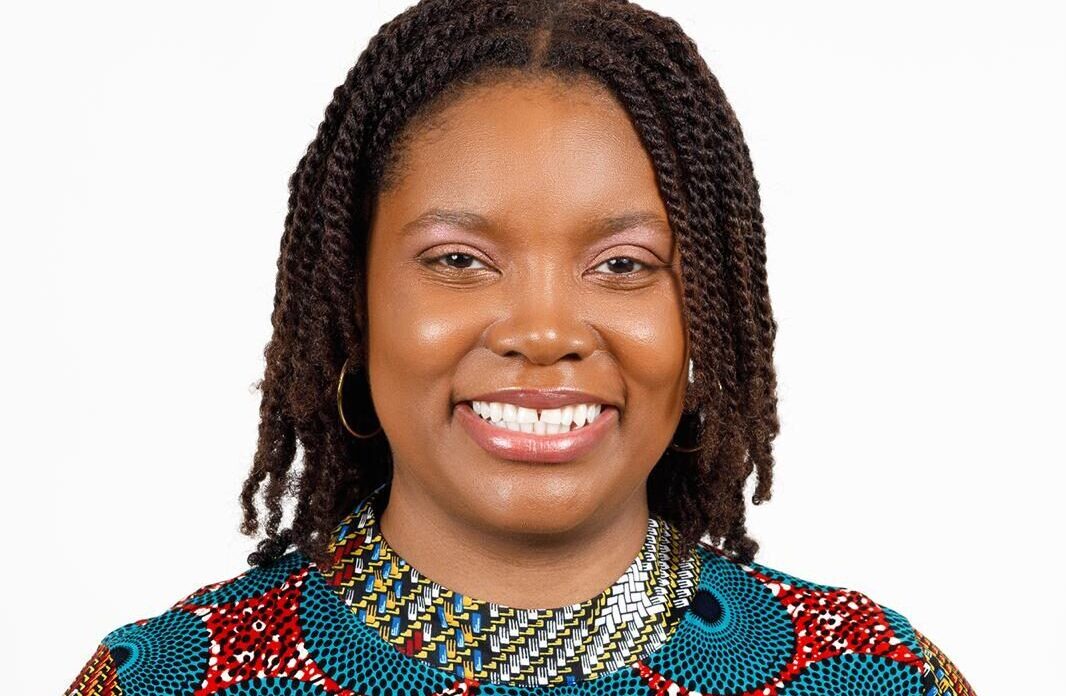
In a significant move to tackle gender disparities, Dominica has launched innovative programs to recognize and redistribute unpaid care work that predominantly falls on women. The announcement came from Ms. Isiuwa Iyahen, UN Women Head of Office (ad interim), during International Women’s Day 2026 celebrations under Dominica’s theme ‘Our Giving, Our Progress.’
The Caribbean nation is addressing the global reality where women perform approximately three additional hours of unpaid domestic and care work daily compared to men. This disproportionate burden frequently restricts women’s educational opportunities, income potential, and leadership advancement.
Ms. Iyahen highlighted compelling local examples illustrating this crisis: one mother must bring her toddler with disabilities to work due to unaffordable and unsuitable childcare options, while another single mother’s older children must skip after-school activities to care for younger siblings because safe, affordable childcare remains inaccessible.
Through the Build Back Equal project, partially funded by the Government of Canada, UN Women and the Dominican government are implementing a pioneering approach. A specialized Labour Force Survey will now measure time allocation between women and men regarding unpaid care work—marking a critical step in data collection that will inform future policy decisions.
Concurrently, a second pilot program under the Public Assistance Program will provide comprehensive support including childcare access, skills training, financial literacy education, and psychosocial services. These initiatives aim to foster economic independence while demonstrating concrete commitment to valuing women’s contributions.
These efforts align with the UN’s International Women’s Day theme emphasizing ‘rights, justice, and action for all women and girls.’ The programs represent a transformative approach to creating a more equitable society where women’s unpaid labor receives proper recognition and support systems enable their full participation in social and economic life.