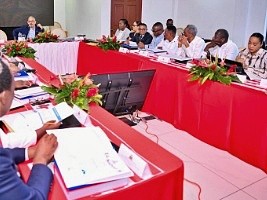
In a decisive move to break from historical inefficiencies, Haitian Prime Minister Alix Didier Fils-Aimé convened a comprehensive working session with all government members on March 7, 2026. The meeting at Villa d’accueil served as the operational launch of the administration’s governance framework, emphasizing strategic priorities and performance-based governance.
The gathering transcended ceremonial formalities to establish concrete operational parameters. Ministers received detailed sectoral roadmaps complete with control mechanisms and precise performance indicators designed to ensure rigorous implementation of public policies. The administration’s focus on measurable outcomes represents a significant departure from previous governance approaches.
Financial governance took center stage during discussions, with particular emphasis on Haiti’s macroeconomic situation and public finance management. New authorizing officers received comprehensive briefings on budget preparation and execution protocols, including critical distinctions between operational and investment budgets. The session clarified disbursement procedures under public financial law and reinforced the complementary roles of financial controllers and public accountants in maintaining expenditure regularity and transparency.
Government authorities highlighted ongoing efforts to strengthen domestic resource mobilization and consolidate fiscal balance within the framework of the 2025-2026 Finance Law. The Prime Minister articulated expectations for united, competent, and action-oriented governance, mandating quarterly submission of ministerial action plans with performance indicators subject to periodic evaluation during Cabinet meetings.
This conclave established a new paradigm of republican discipline, demanding accountability through structured performance metrics and transparent financial management practices that prioritize national service over previous operational norms.