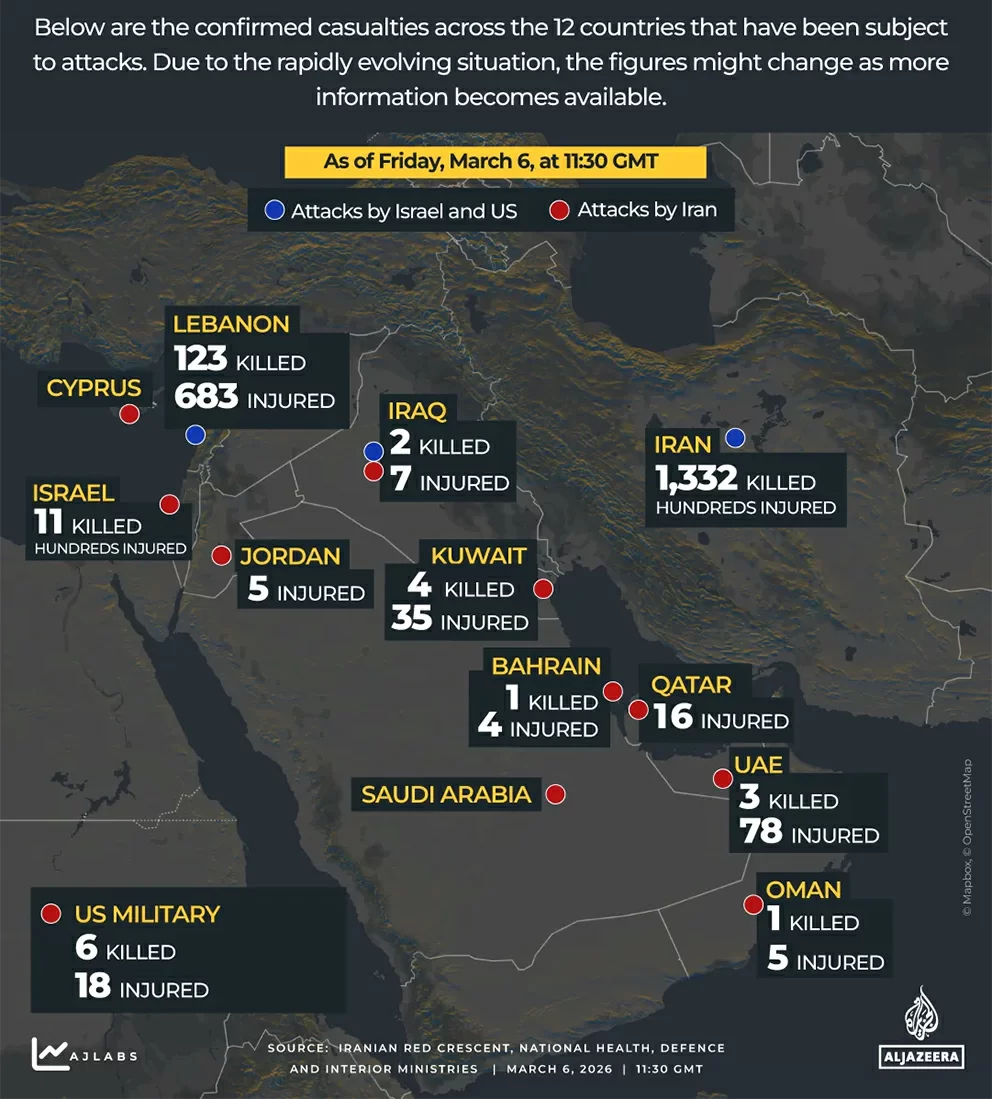
The Middle East faces unprecedented escalation as military confrontations between the United States and Iran intensify, with expanding regional repercussions and global economic implications. Iranian forces have launched sustained attacks against American bases and allied installations across the Gulf region, while simultaneously, Ukraine has emerged as an unexpected player in the conflict by offering its hard-earned drone warfare expertise to Saudi Arabia and other Gulf states.
Ukrainian President Volodymyr Zelenskyy announced via social media platform X that he has engaged in direct discussions with Saudi Crown Prince Mohammed bin Salman regarding cooperative measures to counter the Iranian drone threat. This development marks a significant geopolitical shift as Ukraine, having developed extensive experience intercepting Iranian-designed Shahed drones through its conflict with Russia, now positions itself as a defense technology exporter to wealthy Gulf nations.
The Ukrainian defense industry has pioneered cost-effective drone interception systems that present a viable alternative to expensive American missile defense systems. While Iranian Shahed drones cost approximately $30,000 per unit and Patriot PAC-3 interceptor missiles require millions per launch, Ukraine produces interception drones for merely $1,000-$2,000 each, creating a potentially game-changing economic advantage in aerial defense warfare.
Meanwhile, the United States and Israel have conducted precision airstrikes against Iranian strategic targets, including oil storage facilities and refineries in Tehran, resulting in significant fires throughout the Iranian capital. Top Iranian official Ali Larijani warned that the U.S. would ‘pay a high price’ for its military actions, while former President Donald Trump has threatened to further escalate strikes against Iranian interests.
Despite Iranian President Masoud Pezeshkian’s official apology to neighboring nations for collateral damage, Iranian rocket and drone attacks continue against American bases throughout the United Arab Emirates, Kuwait, Qatar, Bahrain, and Saudi Arabia. Pezeshkian’s conciliatory gestures faced immediate criticism from hardline elements within Iran’s Revolutionary Guard, who emphasized that military responses would continue unabated.
The Israel-Iran front has similarly intensified, with Prime Minister Benjamin Netanyahu vowing to continue military operations with ‘full force’ against Iranian targets. Israeli airstrikes against Hezbollah positions in Lebanon have resulted in hundreds of casualties, dramatically increasing regional tensions.
The conflict’s economic impact continues to expand with reduced oil production in Kuwait, Iraq, and Qatar driving global oil prices to multi-year highs. The strategic Strait of Hormuz has become effectively closed to shipping, placing tremendous pressure on worldwide energy supplies and threatening global economic stability.
In a controversial diplomatic move, former President Trump reiterated demands for Western involvement in selecting Iran’s next Supreme Leader, a proposal immediately rejected by Iranian leadership. Hardline clerics in Tehran are reportedly preparing for rapid appointment proceedings to ensure continuity in Iran’s political leadership structure.