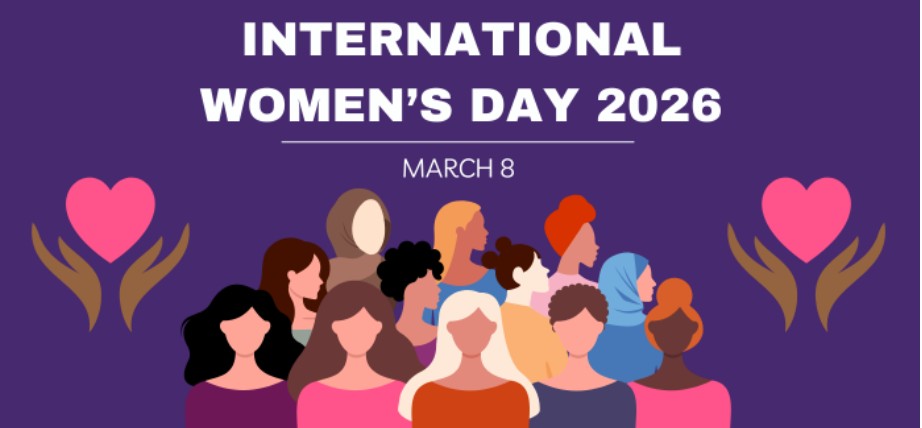
On International Women’s Day, the Caribbean Family Planning Affiliation (CFPA) has issued a powerful regional call to action, demanding concrete progress in transforming policy commitments into tangible realities for women and girls across the archipelago. The organization emphasized that while Caribbean governments have made significant legislative strides through ratifying international conventions and enacting laws against gender-based violence, implementation gaps persist dramatically in daily lived experiences.
The CFPA’s statement highlighted several critical areas where progress remains inadequate. Survivors of gender-based violence continue facing substantial barriers when seeking justice and support services. Comprehensive sexual and reproductive healthcare access remains inconsistent, particularly affecting adolescents, migrant populations, and remote hinterland communities. Deep-seated structural inequalities and harmful gender norms continue restricting opportunities and undermining bodily autonomy throughout the region.
Reverend Patricia Sheerattan-Bisnauth, CEO of CFPA, emphasized the crucial role of collaborative efforts: ‘Faith communities possess unique influence in shaping societal values and promoting compassion. When religious leaders, policymakers, and civil society organizations unite, they establish the essential moral foundations required for sustainable transformation.’
Board member Jade Trim further contextualized the issue: ‘Advancing sexual and reproductive rights transcends healthcare policy—it fundamentally impacts women’s economic empowerment, democratic participation, and overall sustainable development across our nations.’
The CFPA reaffirmed its commitment to fostering strengthened partnerships between governments, regional institutions, civil society organizations, and faith communities. This collaborative approach aims to ensure every Caribbean woman and girl can live free from violence, exercise autonomy over personal decisions, and participate fully in shaping societal development.
In a region historically strengthened by solidarity among small states, the organization stressed that collective action remains imperative for confronting contemporary challenges including geopolitical pressures, widening inequality, and democratic governance concerns. The CFPA concluded that true Caribbean prosperity remains intrinsically linked to the flourishing of all women and girls throughout the region.