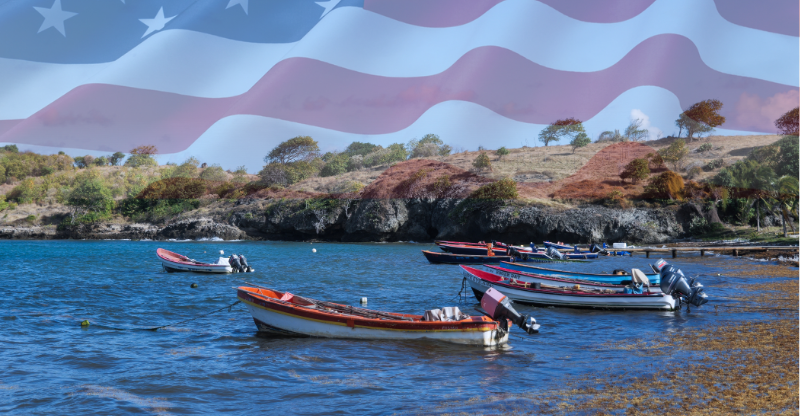
A profound human rights crisis is unfolding in the Caribbean Sea as the United States continues its campaign of extrajudicial executions under the guise of combating drug trafficking. Drawing direct parallels to Martin Niemöller’s famous lament about Nazi-era complacency, Caribbean intellectuals and citizens are now confronting their own leadership’s silence in the face of American military operations that violate international law.
The operations, characterized by drone strikes on suspected drug smuggling vessels, occur without due process, evidence preservation, or consultation with regional authorities. These actions represent flagrant violations of multiple international conventions, including the UN Convention against Illicit Traffic in Narcotic Drugs, which explicitly requires proper boarding procedures and evidence collection rather than summary executions.
Evidence suggests these operations may serve geopolitical objectives beyond drug interdiction. Academic research indicates 84% of cocaine seized in the US originates from Colombia, not Venezuela, raising questions about the true motivation behind targeting Venezuelan-linked vessels. Dr. Emmanuel Quashie and other analysts argue this constitutes a deliberate strategy to destabilize the Maduro regime and control Venezuela’s vast oil reserves, the largest in the world.
The Caribbean response has been hampered by economic fragility and historical power imbalances. Regional leaders often hide behind diplomatic niceties and plausible deniability, fearing economic fallout from confronting Washington. This complicity mirrors the very behavior Niemöller condemned in his famous poem about the Holocaust, where silence in the face of injustice ultimately enabled greater atrocities.
Legal experts emphasize that even confirmed drug traffickers deserve proper judicial processes. The US approach of maritime executions contradicts its own domestic legal standards and international human rights obligations. The destruction of alleged evidence in drone strikes further undermines any claim to legitimate law enforcement.
The solution, regional advocates argue, lies in strengthened Caribbean cooperation through organizations like CELAC (Community of Latin American and Caribbean States) and the Regional Security System. This would include developing local capacity for interdiction operations, establishing proper safeguards, and pursuing diplomatic channels to end the illegal executions. The Caribbean must reaffirm its status as a zone of peace while addressing legitimate security concerns through lawful means that respect human dignity and international standards.