Interim Iranian President Masoud Pezeshkian has declared that Iran will cease offensive operations against neighboring countries unless provoked by attacks from these nations. This significant announcement comes during the second week of intensified hostilities involving the United States, Israel, and Iran, marking a potential shift in regional dynamics.
The interim government unanimously approved this policy measure on Friday, with Pezeshkian extending formal apologies to neighboring states for previous military actions. His televised address, broadcast through Iranian state media, represents a modest de-escalation gesture amid widespread devastation across more than 170 Iranian cities affected by aerial bombardments.
In his pre-recorded statement, Pezeshkian strongly condemned attacks targeting residential areas, educational institutions, and medical facilities, emphasizing their violation of international legal standards. He called for national unity and solidarity among Iranians while delivering a firm message to the United States: unconditional surrender remains an illusion, and Iran remains committed to international law and humanitarian principles.
Simultaneously, the Islamic Revolutionary Guard Corps (IRGC) issued a separate declaration affirming respect for neighboring nations’ sovereignty while maintaining their defensive posture. However, the powerful military organization warned that continued hostile actions would result in comprehensive targeting of all American and Israeli military assets throughout the region with overwhelming force.
According to Al Jazeera analyst Resul Serdar, actual strategic security decisions reside with the IRGC rather than political figures like Pezeshkian. IRGC leader Ahmad Vahidi is recognized as one of the organization’s most radical commanders since its establishment.
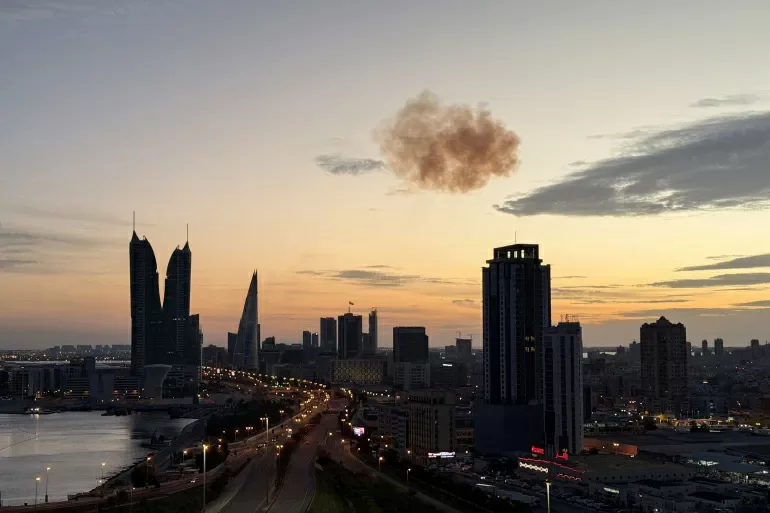
The conflict has extensively impacted Gulf states including Saudi Arabia, Qatar, the United Arab Emirates, Kuwait, Bahrain, and Oman due to their hosting of American military installations. Nations including Iraq, Jordan, Azerbaijan, and Turkey have also experienced collateral damage from retaliatory strikes.
These military operations have resulted in numerous casualties, significant infrastructure damage, widespread aviation disruptions, and temporary airspace closures. The confrontation has severely affected global energy markets, with Qatar’s Energy Minister Saad al-Kaabi warning that prolonged conflict could halt regional oil and gas exports within weeks, potentially triggering global economic repercussions through energy price surges, product shortages, and manufacturing supply chain disruptions.
Current casualty figures include six American personnel killed in an Iranian strike on a U.S. command center in Kuwait, while over 1,200 Iranians have perished during the conflict’s initial week from American and Israeli attacks.