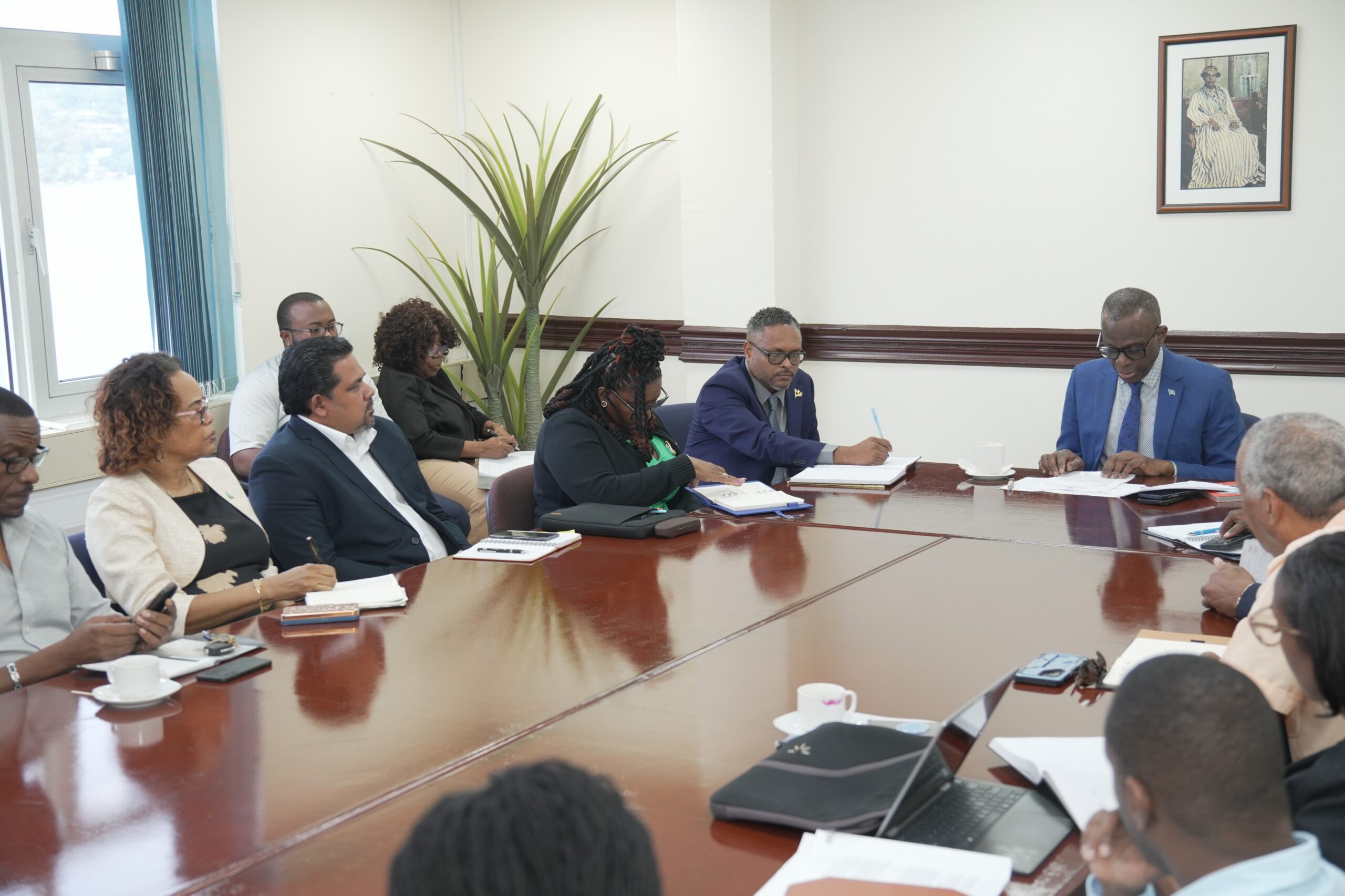
Saint Lucia’s government and tourism industry leaders have initiated a coordinated response to the nation’s escalating water crisis through a high-level strategic meeting convened by Prime Minister Philip J. Pierre on March 4th. The urgent gathering brought together key ministers, water utility executives, and private sector representatives to develop immediate solutions for the island’s aging water infrastructure system.
Prime Minister Pierre chaired the discussions that included Minister for Physical Development and Public Utilities Keithson Hermine Charles, Economic Development Minister Wayne D. Girard, and Tourism Ministry representative John Paul Estephane. The meeting also featured participation from Water and Sewerage Company (WASCO) leadership including Chairman Trevor Louisy and CEO Zilta George-Leslie, alongside permanent secretaries and Saint Lucia Hospitality and Tourism Association (SLHTA) delegates.
According to official communications from SLHTA, the Prime Minister acknowledged the critical state of Saint Lucia’s water distribution network and emphasized the necessity for practical short-term interventions. The dialogue resulted in clear identification of investment priorities and collaborative opportunities between public agencies and private enterprises.
Tourism sector representatives are now preparing to present a comprehensive action plan with proposed solutions within days. A follow-up working session scheduled for March 6th will focus on developing implementation timelines and securing financial resources for priority initiatives. These emergency measures include rehabilitation of the northern water pipeline, emergency water barging operations, incentive frameworks for commercial and domestic water harvesting, and formalized engagement strategies with water transportation services.
SLHTA CEO Noorani M. Azeez stated: “We recognize the severe impact of water supply disruptions on tourism operations and our employees’ household needs. The Prime Minister’s commitment to practical stabilization measures provides encouragement amidst these challenges.” Azeez further highlighted that climate change has intensified dry-season vulnerabilities, making sustainable adaptation strategies including water harvesting, efficiency improvements, and resilience planning essential for the tourism-dependent island nation.