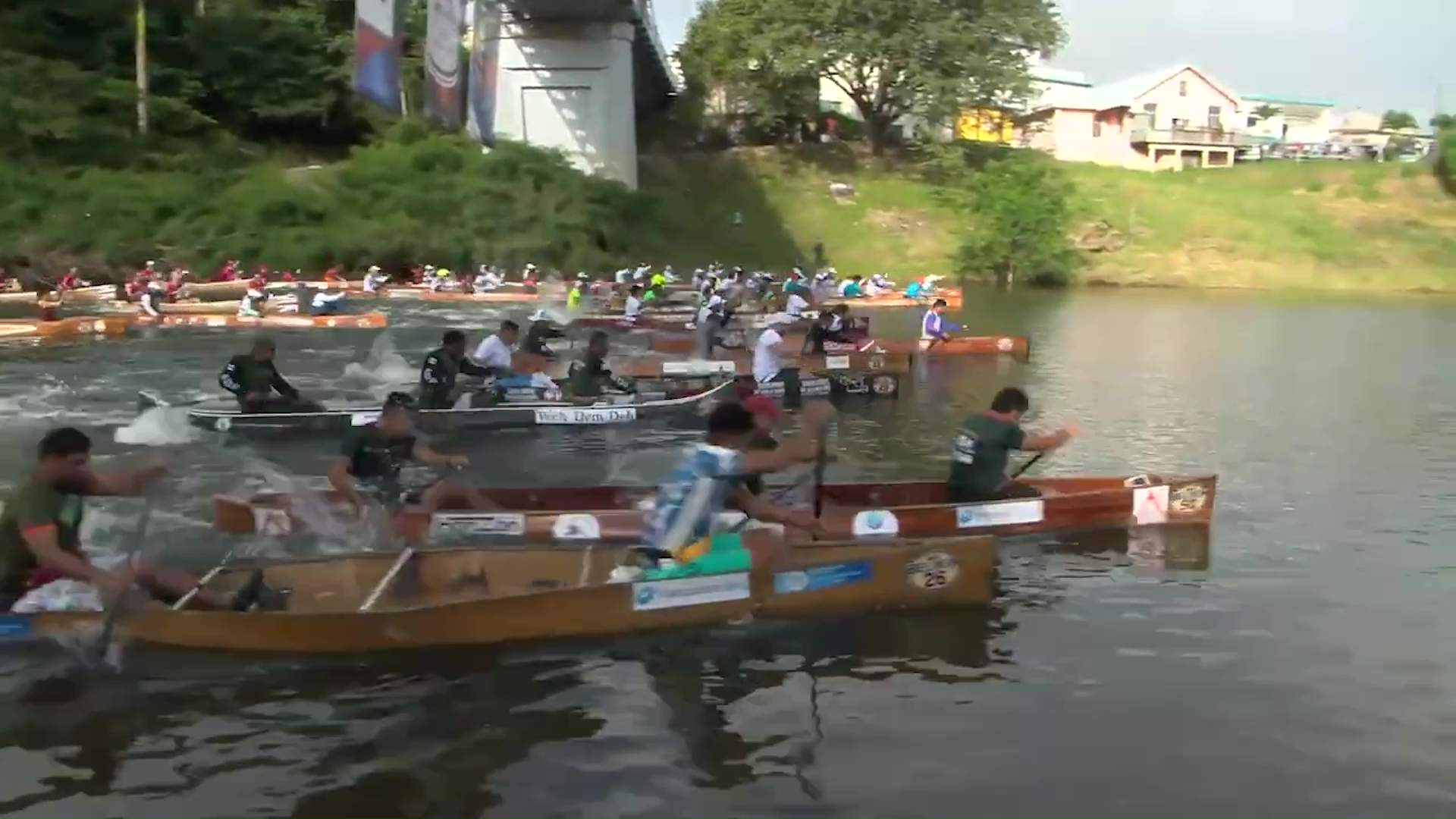
BELIZE CITY – A deepening internal crisis within the Belize Canoe Association has cast uncertainty over the upcoming La Ruta Maya Belize River Challenge, one of the nation’s premier sporting events. With just days remaining before the iconic four-day river marathon, the association’s leadership stands publicly divided over a controversial finish line relocation and allegations of organizer mistreatment.
The conflict emerged when race organizers moved the traditional finish line from the BelCan Bridge to Haulover Creek, triggering immediate backlash from competitors. While paddlers remain committed to participating in the weekend event, significant factions within the sport’s governing body are advocating for protests including boycotting the new finish line and refusing media cooperation with the event’s broadcast partner, Love FM.
Association President Jesus Linares maintains a conciliatory stance, emphasizing practical considerations given the event’s imminent start. “We can’t change it for this year because the race is Friday,” Linares stated, acknowledging the logistical impossibility of reversing the decision. “Whoever goes must respect the race and its rules.” Linares urged competitors to prioritize safety after four exhausting days on the river, warning that any attempt to continue past the official finish line would occur without safety oversight.
In stark contrast, Vice President Elvin Penner has emerged as the rebellion’s vocal leader, accusing organizers of longstanding mistreatment of athletes. Penner publicly declared a media blackout against Love FM, stating: “I am not granting Love FM one single interview – not as vice president, not as Elvin Penner, not as Coop Sheet Metal’s team manager.” He framed the protest as a moral stand, challenging fellow association members to join his boycott.
The safety discourse has become particularly contentious. While Linares characterizes the warnings about continuing past the finish line as legitimate safety concerns, Penner interprets them as intimidation tactics. “The message they sent through our president is: you protest and you drown, we’ll watch you drown,” Penner asserted, framing the organizers’ position as fundamentally antagonistic to competitors.
This internal rift transcends typical pre-race disagreements, revealing fundamental divisions about athlete representation, organizational transparency, and the balance of power between event organizers and participants. The outcome of this weekend’s event may determine not only the future course of the legendary river challenge but potentially reshape the leadership and governance of Belize’s canoeing community.