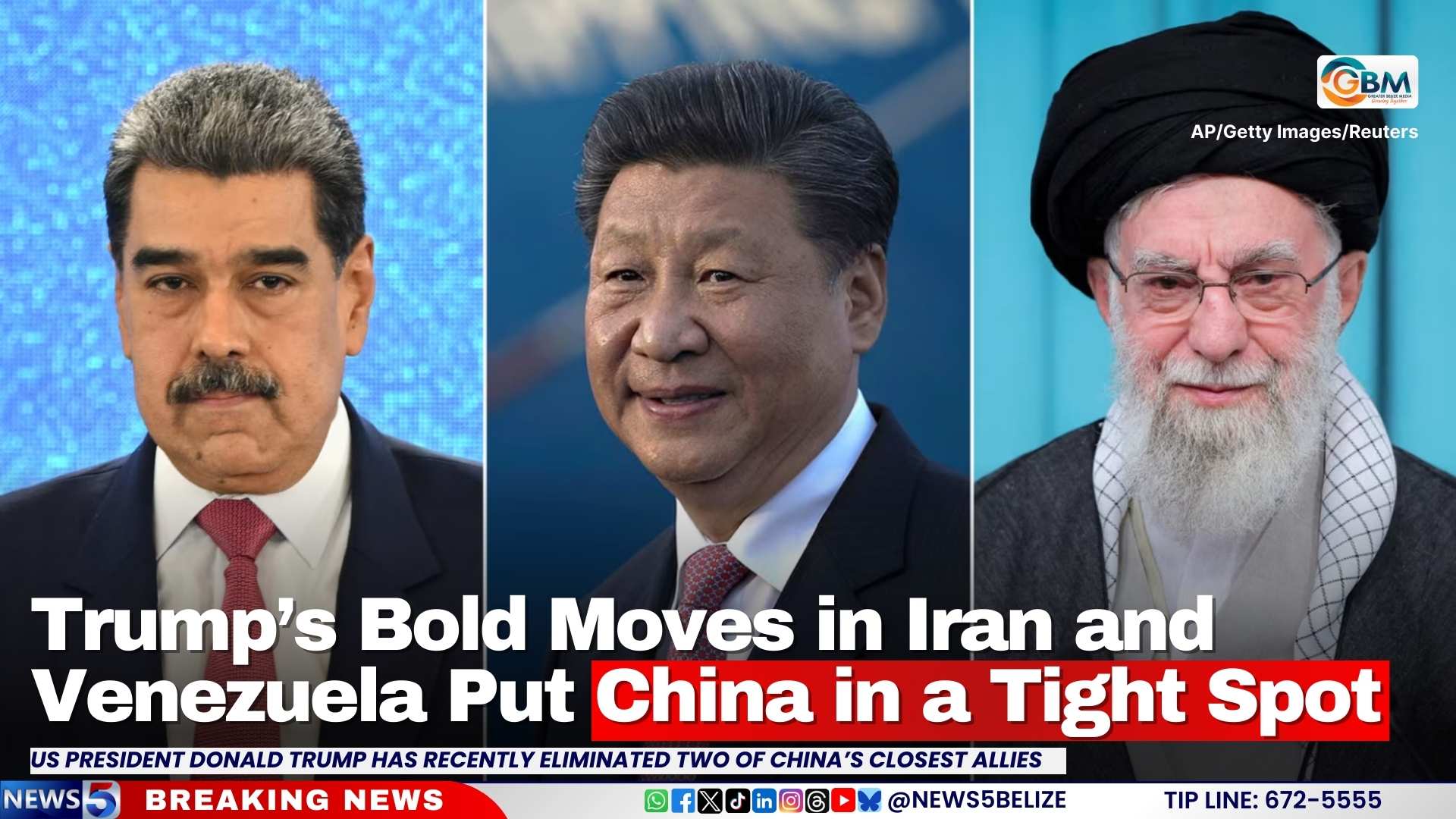
In a dramatic escalation of geopolitical tensions, the United States has executed two unprecedented operations targeting key Chinese allies. Venezuelan President Nicolás Maduro was captured by US forces and transported to New York, while Iranian Supreme Leader Ali Khamenei was killed during a joint US-Israel operation in Tehran. These actions represent the most significant foreign policy moves of the Trump administration’s current term.
China’s response to these developments has been characterized by strategic restraint rather than forceful retaliation. Despite issuing formal condemnations of both operations, Beijing has deliberately avoided implementing concrete countermeasures. This cautious approach reflects China’s prioritization of maintaining stable US relations and preparing for upcoming diplomatic engagements over providing direct military or security support to its allies.
Analysts observe that China maintains its position as Iran’s primary economic partner and continues as a major purchaser of Iranian oil. However, Beijing has historically limited its involvement in Middle Eastern conflicts, preferring to exercise influence through trade relationships and diplomatic channels rather than security guarantees. This pragmatic foreign policy allows China to balance regional relationships while protecting critical energy interests and avoiding direct confrontation with American military power.
Energy market analysts suggest that while these developments may cause short-term disruptions to oil imports and regional stability, China’s diversified energy sourcing and substantial strategic reserves provide significant insulation against supply shocks. Beijing appears positioned to leverage the situation to enhance its international standing as an advocate for non-interference principles, contrasting with American military interventionism.
This calculated response demonstrates China’s evolving global strategy—emphasizing diplomatic flexibility, economic leverage, and long-term positioning over immediate military responses, even as Washington expresses growing concerns about the strengthening alignment between China, Iran, Russia, and North Korea.