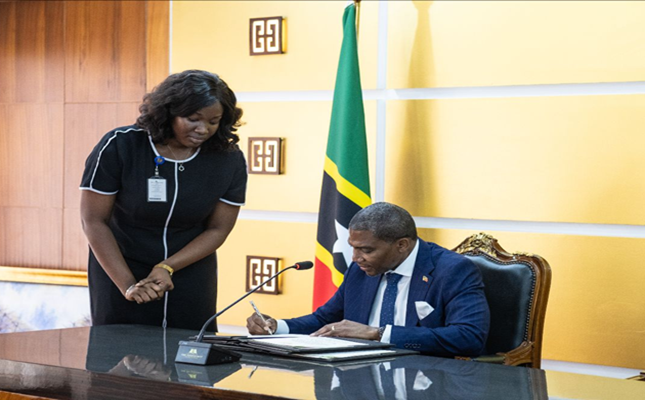
In a significant diplomatic development strengthening global South relations, the Federation of Saint Kitts and Nevis and the Republic of Ghana have formally eliminated visa requirements for ordinary passport holders. The landmark agreement was signed on March 4, 2026, in Accra by Ghanaian officials and Saint Kitts and Nevis’ Prime Minister Honourable Dr. Terrance Drew.
This bilateral accord represents a substantial expansion of previous diplomatic arrangements, building upon a 2018 agreement that removed visa restrictions solely for holders of diplomatic and official passports. The newly ratified measures effectively dismantle administrative barriers to cross-border movement, creating unprecedented opportunities for enhanced tourism flows, commercial expansion, academic collaboration, and cultural interchange between the Caribbean and West African nations.
Prime Minister Drew characterized the agreement as a transformative development in people-centered diplomacy. “By eliminating visa prerequisites, we’re fundamentally enabling our citizens to connect, innovate, and discover mutual opportunities,” Drew stated during the signing ceremony. “This initiative embodies our shared commitment to deepening interpersonal bonds and creating accessible pathways for engagement.”
The visa exemption framework reflects both governments’ dedication to fostering South-South cooperation and facilitating direct human connections beyond traditional diplomatic channels. Historical and cultural ties dating back to the African diaspora experience provide meaningful context for the strengthened relations, with the agreement serving as a practical mechanism for reclaiming shared heritage through unrestricted mobility.
Travel industry analysts anticipate immediate increases in tourist traffic and business delegations, while educational institutions foresee expanded student exchange programs and research initiatives. The reciprocal nature of the arrangement establishes symmetrical travel privileges, ensuring equitable benefits for both nations’ citizens seeking to explore commercial, educational, or tourism opportunities across the Atlantic divide.
This agreement positions both countries as pioneers in South-South mobility cooperation, potentially establishing a template for similar agreements between Caribbean and African nations seeking to strengthen ties through facilitated people-to-people exchanges.