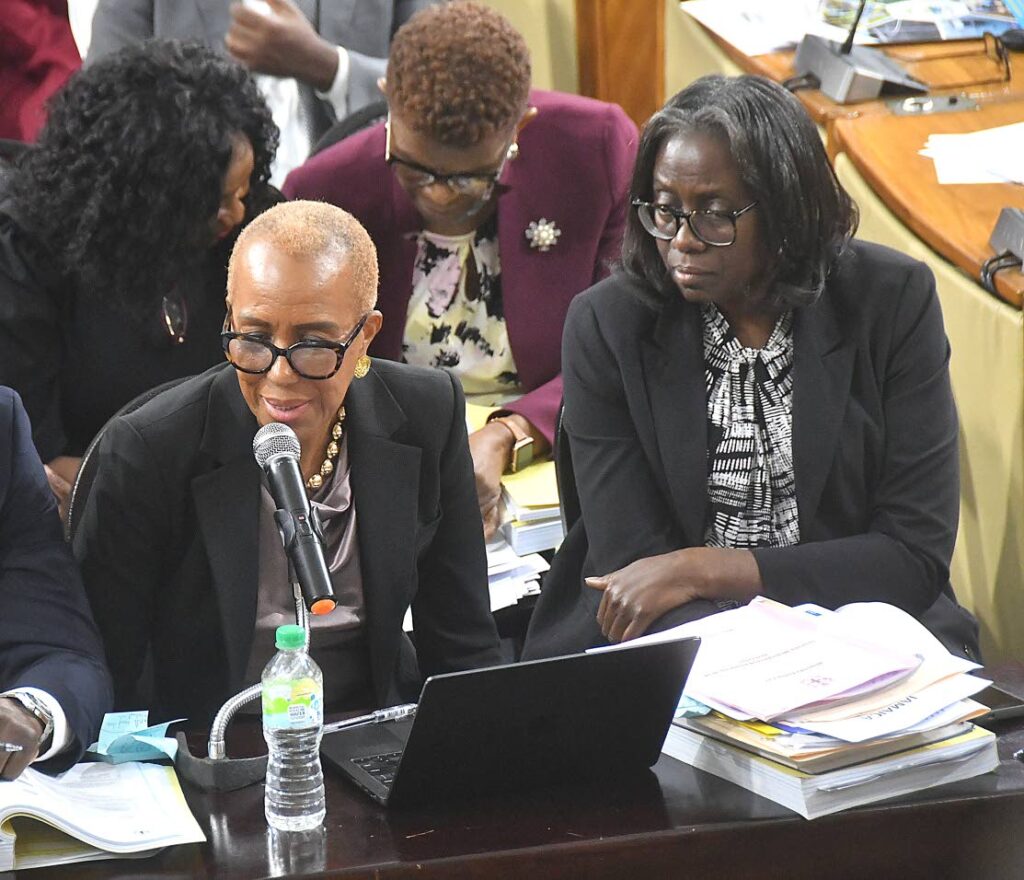
Jamaica’s Finance Minister Fayval Williams has declared the government stands ready to implement economic support measures should global oil prices surge uncontrollably due to escalating Middle East hostilities. The warning comes as geopolitical tensions trigger significant volatility in energy markets following military strikes between the United States, Israel, and Iran.
Addressing Parliament’s Standing Finance Committee during deliberations on the 2026-2027 Expenditure Estimates, Minister Williams emphasized the administration’s vigilant monitoring of oil market developments. “We would begin to be very concerned about the impact, depending on how long the war continues,” Williams stated, acknowledging that Jamaica would experience immediate effects through rising fuel costs.
The minister’s comments came in response to questioning from Opposition Finance Spokesman Julian Robinson regarding contingency planning for potential inflationary pressures. Robinson highlighted the dual economic impact of rising oil prices—potentially worsening Jamaica’s balance of payments while simultaneously increasing tax revenues through higher fuel costs.
Global oil markets have experienced dramatic shifts since February 28, 2026, when U.S. and Israeli forces launched aerial strikes against Iranian nuclear facilities. Subsequent retaliatory actions by Iran, including missile attacks on U.S. bases and oil infrastructure across Gulf states, have pushed Brent crude prices from $64 to $74 per barrel—a 16 percent weekly increase. Market analysts warn prices could exceed $100 per barrel if the conflict persists, particularly given Iran’s effective closure of the Strait of Hormuz, a critical transit channel for 20 percent of global oil and gas shipments.
Minister Williams confirmed any government intervention would require cabinet deliberation, stating assistance would be contingent on both the duration of the conflict and its ultimate impact on Jamaican consumers. “We expect consumers in the near term to manage their budgets accordingly,” Williams noted, while acknowledging that prolonged instability might necessitate official support mechanisms.
Separately, the minister revealed more positive economic news from the Planning Institute of Jamaica (PIOJ), indicating that Hurricane Melissa’s damage to Jamaica’s GDP in late 2025 was less severe than initially projected. Revised estimates show losses of $12.2 billion (57 percent of 2024 GDP), improved from earlier calculations of $8.75 billion (41 percent of GDP). This data emerged after the February 12 budget tabling, meaning current expenditure estimates already incorporate hurricane recovery contexts alongside emerging geopolitical challenges.
Williams reaffirmed the government’s commitment to energy security, highlighting state-owned refinery Petrojam’s critical role in maintaining supply stability as Jamaica explores diversified energy sources amid global uncertainty.