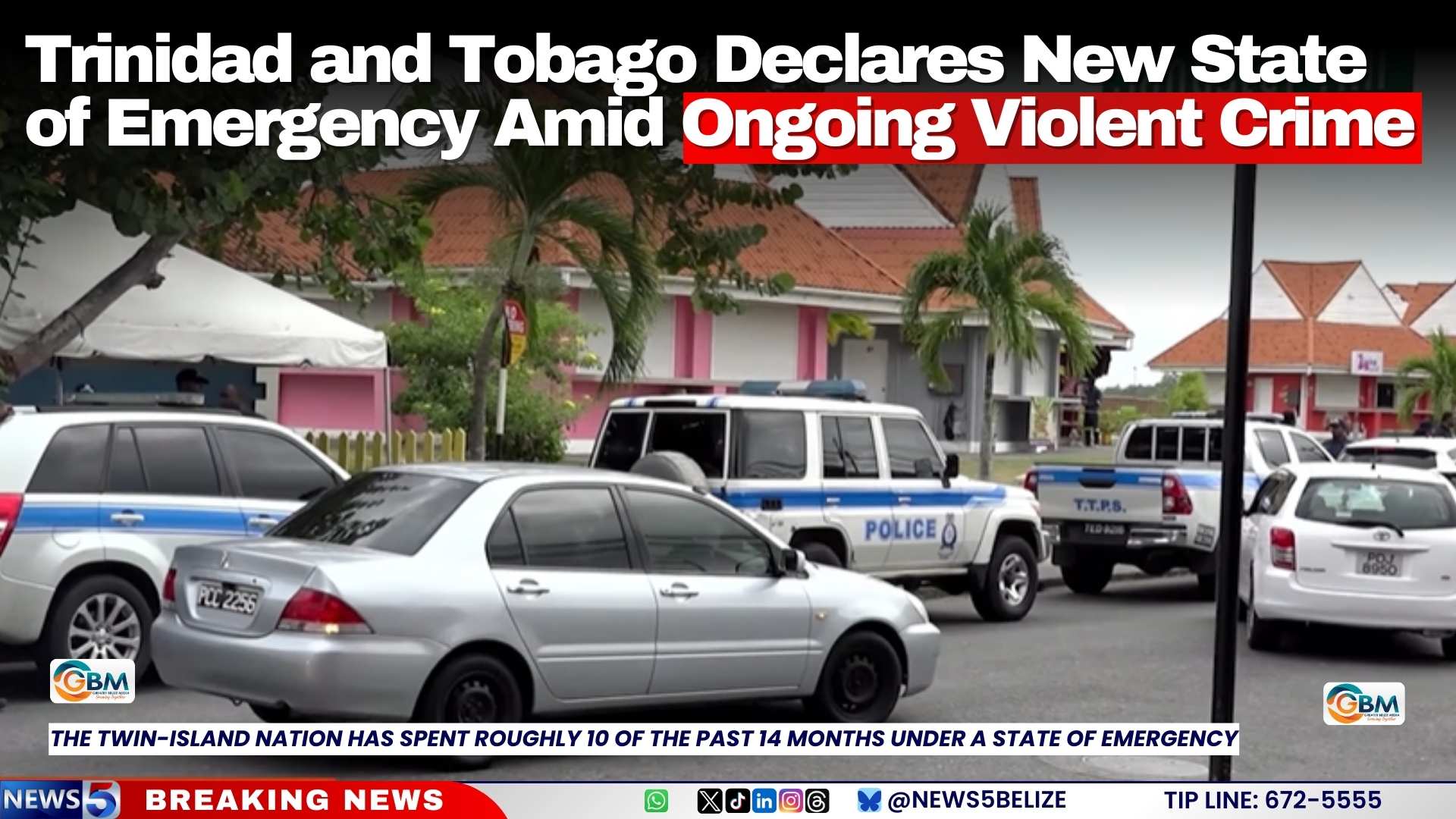
The government of Trinidad and Tobago has reactivated a state of emergency declaration, merely one month after allowing previous emergency measures to expire. Prime Minister Kamla Persad-Bissessar announced the decision on Tuesday following urgent recommendations from the National Security Council, which cited specific intelligence regarding planned attacks targeting law enforcement personnel.
This emergency declaration marks the latest development in the nation’s prolonged struggle with organized criminal violence, with the twin-island nation having operated under emergency provisions for approximately ten months out of the past fourteen. The most recent state of emergency concluded on January 31st of this year.
According to official statements, the emergency powers grant security forces expanded authority to conduct warrantless searches and arrests in their efforts to combat escalating gang-related violence. Prime Minister Persad-Bissessar highlighted concerns about retaliatory shootings between criminal factions that have resulted in multiple fatalities through coordinated attacks.
The initial emergency period is authorized for fifteen days, with provisions for extension if security conditions require continued special measures. Notably, government officials have indicated no immediate plans to implement curfew restrictions alongside the emergency declaration.
The decision has drawn criticism from opposition leaders who accuse the administration of failing to develop effective long-term crime reduction strategies. Meanwhile, tourism industry representatives expressed concern about potential negative impacts on visitor arrivals, particularly as global conflicts in Ukraine and the Middle East have created opportunities for Caribbean destinations to attract alternative travel markets.
Current crime statistics indicate minimal improvement from previous years, with sixty-three recorded homicides thus far in 2026 compared to sixty-four during the same period last year.