Following three consecutive electoral whitewashes and the abrupt resignation of its president, Barbados’s Democratic Labour Party (DLP) has initiated a comprehensive organizational overhaul. The party, which failed to secure a single seat in the last general election, is undertaking a radical transformation of its 71-year-old structure and policy platforms.
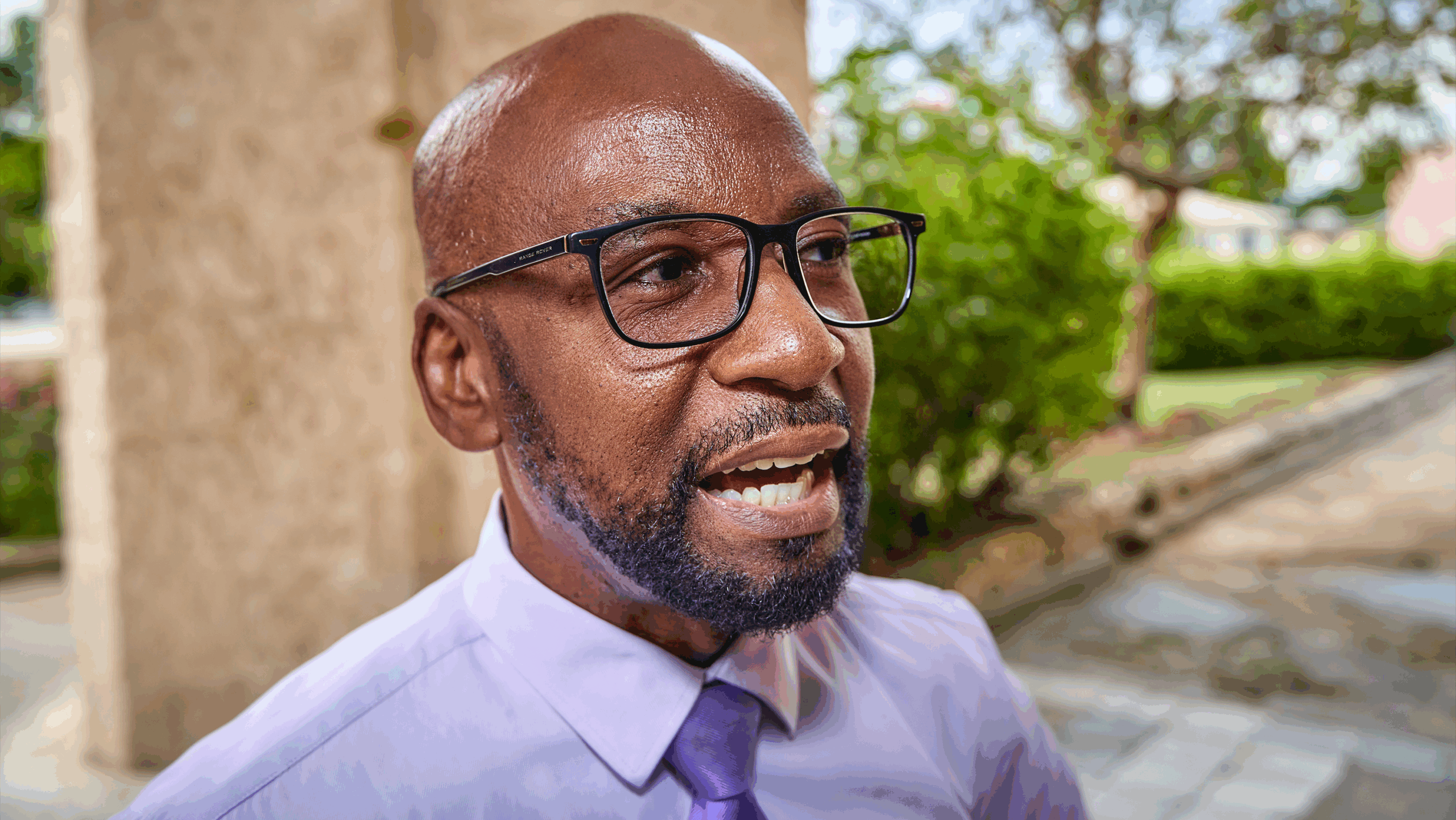
Former cabinet minister and DLP spokesman Stephen Lashley confirmed the Executive Council convened Tuesday evening to address the crisis triggered by former MP Ralph Thorne’s immediate resignation. The party’s highest decision-making body, the General Council, will receive a full report on Thursday where Thorne’s resignation letter will be formally tabled.
Lashley announced the launch of “a candid and frank review” examining the party’s electoral performance, constitutional framework, and policy positions. “We wish to assure Barbadians that in this review exercise, the party will seek out, and listen to their views and ideas,” he stated, emphasizing the process would be “people-driven” and incorporate public feedback as the party embarks on “the vital process of rebuilding and refocusing.”
The DLP’s rebuilding phase includes continued support for Senator Ryan Walters, its sole parliamentary representative in the Senate. The critical vacancies of president and political leader created by Thorne’s departure will be addressed by the General Council, though the party acknowledged Thorne’s contributions and noted his membership remains intact.
Political analysts responded with cautious optimism. Political scientist Peter Wickham welcomed the renewal commitment but urged constitutional reform, stating: “The key change I would like to see is a review of the DLP’s constitution to delink the presidency from political leadership,” noting the party currently lacks representation in the Lower House.
University of the West Indies political scientist Dr. George Brathwaite described the statement as “sound on the surface” but expressed skepticism, noting the absence of “the urgent need to attract new membership and to offer an olive branch to those who left.” He emphasized that “mass-based parties need committed members and, I daresay, youthful” leadership, indicating he would “wait and see” if public views are genuinely incorporated into the reform process.