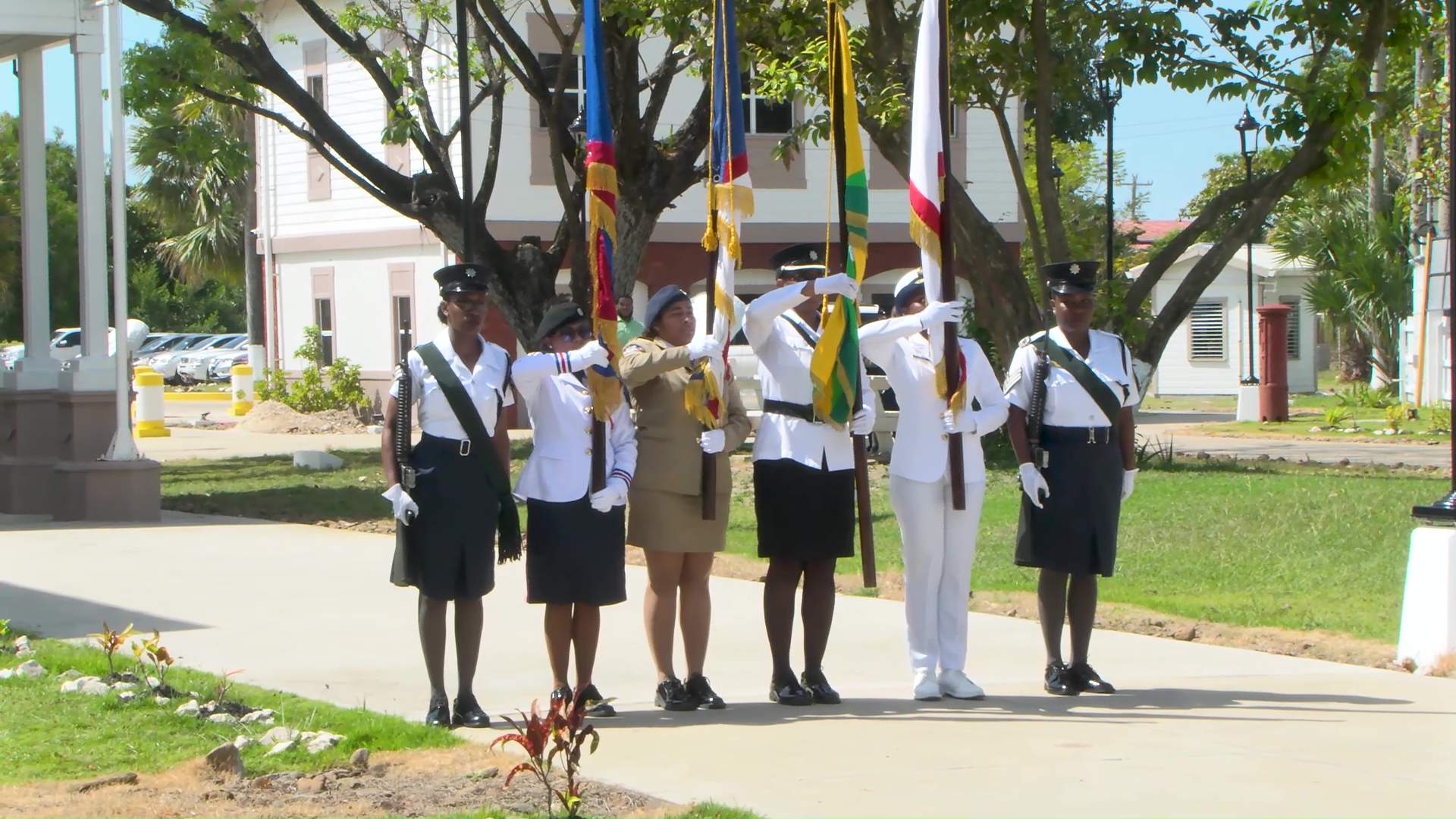
Belize City witnessed an unprecedented display of female empowerment on March 2, 2026, as 650 uniformed women from the nation’s security forces marched through the streets in a groundbreaking demonstration of gender equality and leadership. The historic Women’s Law Enforcement March, marking the commencement of Women’s Month 2026, featured personnel from the Police Department, Belize Defense Force (B.D.F.), and Coast Guard marching in solidarity—a powerful visual statement about women’s evolving role in national security.
The ceremonial procession, far exceeding conventional parade expectations, served as both celebration and declaration: women are not merely participating in Belize’s security apparatus but are fundamentally transforming it. Senior officials including Deputy Police Commissioner Sandra Bowden emphasized the vital role women play in national protection, noting that collective participation strengthens institutional capabilities.
Brigadier General Anthony Velasquez of the B.D.F. highlighted the strategic shift from commitment to concrete action in implementing the Women, Peace and Security Agenda. “We have worked deliberately to integrate women and gender perspectives into policy development, operational planning, recruitment and leadership,” Velasquez stated.
Statistical evidence presented by Police Commissioner Dr. Richard Rosado revealed significant progress: women currently constitute 33% of police force personnel, with disproportionately higher representation in supervisory roles compared to their male counterparts. Recruitment intakes consistently maintain at least 25% female representation, while promotion rates demonstrate gender parity across ranks.
Despite these advancements, Governor General Dame Froyla Tzalam, who presided over the event, acknowledged persistent societal challenges including gender-based violence, limited political participation, and the unequal burden of caregiving responsibilities that continue to hinder women’s advancement into leadership positions.
The march represents a watershed moment in Central American gender relations, signaling both the achievements made and the ongoing transformation within Belize’s security institutions toward greater gender inclusion and equality.