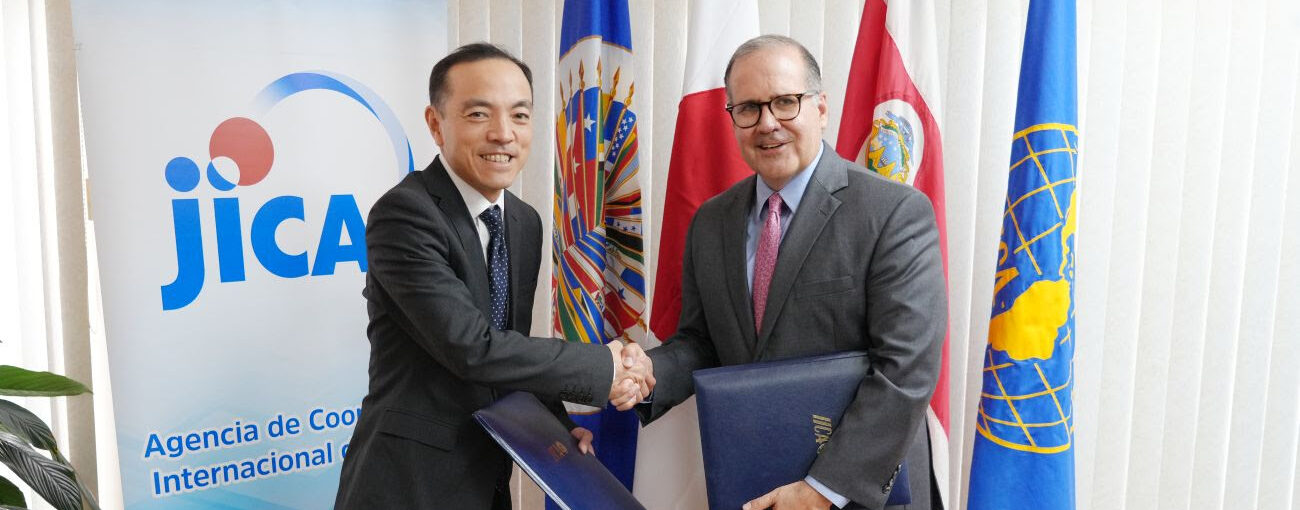
A transformative agricultural initiative is sweeping across Latin America and the Caribbean through a strategic partnership between the Inter-American Institute for Cooperation on Agriculture (IICA) and the Japan International Cooperation Agency (JICA). The collaboration officially launched the Smallholder Horticulture Empowerment and Promotion (SHEP) strategy, a market-driven approach designed to elevate small-scale farmers from subsistence producers to agricultural entrepreneurs.
The innovative methodology, originally developed in Kenya through Japanese technical assistance, represents a paradigm shift in agricultural extension services. Rather than following traditional “produce then sell” models, SHEP trains farmers in market analysis, demand-based crop planning, and business management before planting begins. This proactive approach has demonstrated remarkable success across 60 countries, delivering average income increases exceeding 70% within two-year implementation periods.
Keisuke Ito, Director General of JICA’s Latin America and Caribbean Department, emphasized the partnership’s practical ambitions: “This marks the beginning of a fruitful relationship that will translate into concrete actions to improve the lives of small-scale farmers.” His counterpart, IICA Deputy Director General Lloyd Day, added that the approach “offers significant opportunities for family farmers to become true managers of their production systems.”
The five-year cooperation agreement commenced in March 2026 with a flagship project in Bolivia titled “Operationalizing climate-resilient agriculture as a business.” This two-year initiative combines climate adaptation strategies with business-oriented farming through a strategic alliance of government, academic, and international institutions. The project aims to institutionalize a model that enhances both financial security and adaptive capacity among rural communities facing climate shocks.
The partnership was formally introduced at a major seminar in San José that convened over 250 representatives from international organizations, cooperation agencies, and stakeholders across 20 Latin American and Caribbean countries. The gathering addressed critical challenges facing family farmers, who constitute 80% of regional agricultural holdings, employ 60 million people, and produce half of the local food supply.
Mario León, IICA’s Manager of Territorial Development and Family Farming, identified structural barriers including low productivity, climate vulnerability, limited market access, and land tenure issues. “Overcoming these barriers requires differentiated policies, stronger organizational capacity and increased investment in innovation and digitalization,” he stated.
Jiro Aikawa, JICA Senior Advisor, explained the core philosophy: “The SHEP motto is clear: agriculture is a business. When producers study the market before planting and understand buyer preferences, they can significantly improve their income.”
The seminar concluded with consensus on prioritizing market-oriented production decisions. Luis Pocasangre, Director General of the Tropical Agricultural Research and Higher Education Center, asserted: “We should not speak of subsistence agriculture, but of producers with business potential.” Yumara Soria, Regional Coordinator of the Central American Agricultural Council, emphasized the need to “treat small farmers as agricultural entrepreneurs, providing them with information, financing, and real market access.”
With expansion plans already underway for Paraguay, Central America, and the Caribbean, this partnership represents a significant step toward transforming agricultural practices across the hemisphere while addressing both economic sustainability and climate resilience.