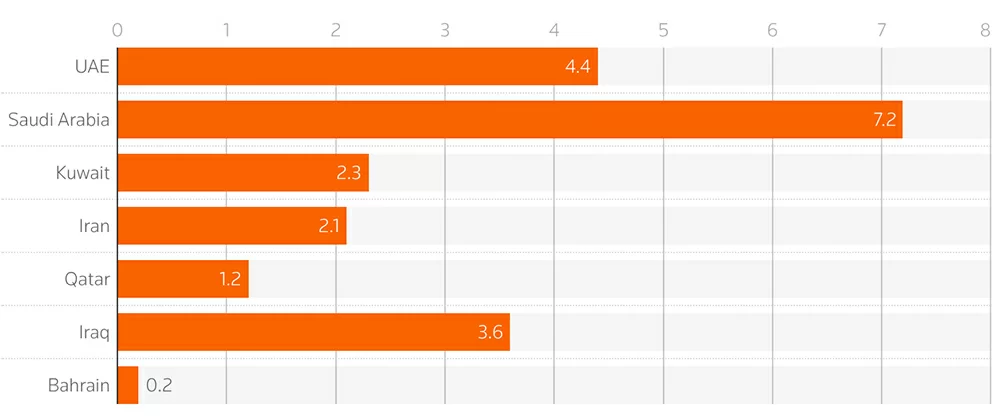
The geopolitical conflict in the Gulf region, though thousands of miles distant, is sending profound economic tremors across Caribbean and Latin American nations. According to recent data from Kpler and J.P. Morgan Commodities Research, approximately one-fifth of global oil consumption transits daily through the Strait of Hormuz—a critical chokepoint that has become increasingly vulnerable due to regional hostilities.
This strategic vulnerability has triggered worldwide oil price surges, creating particularly severe consequences for fuel-import-dependent Caribbean economies. Nations including Jamaica, Haiti, and Trinidad and Tobago are experiencing tangible manifestations of this energy crisis: prolonged queues at gasoline stations, panic buying, and growing concerns about supply shortages. In Trinidad and Tobago, weeks-long lines at fuel stations have become commonplace, while Jamaican and Haitian motorists report waiting hours to secure diminishing fuel supplies.
The economic ramifications extend far beyond transportation costs. Higher diesel and gasoline prices are driving increased expenses for electricity generation, construction materials, and essential goods—creating cascading effects on household budgets and small businesses already grappling with limited purchasing power. Suriname, though not directly involved in Middle Eastern conflicts, finds itself similarly vulnerable to these global market disruptions, mirroring patterns observed during previous geopolitical crises like the Russia-Ukraine conflict.
Latin American economies face a complex dual reality: while oil-exporting nations benefit from elevated global prices, they simultaneously confront rising costs for imported energy products and components. This paradoxical situation intensifies inflationary pressures across the region and potentially hinders foreign investment and trade flows due to heightened geopolitical uncertainty.
The current crisis underscores the profound interconnectedness of global energy systems and the vulnerability of energy-dependent economies. It highlights the urgent need for Caribbean and Latin American nations to develop greater energy resilience through regional cooperation and investment in sustainable, locally-sourced alternatives. As distant conflicts continue to reverberate through global markets, the imperative for strategic energy independence becomes increasingly apparent for nations seeking to buffer themselves against geopolitical shocks beyond their control.