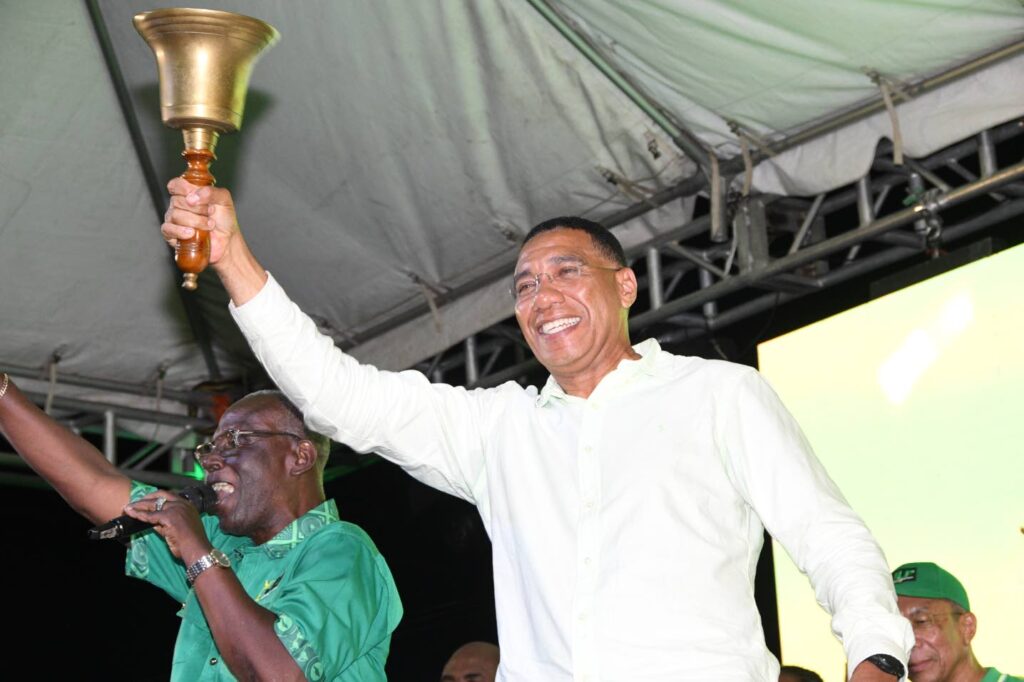
Prime Minister Andrew Holness has etched his name in Jamaica’s political history by becoming the first Jamaica Labour Party (JLP) leader to secure three consecutive electoral victories. His party’s decade-long governance, beginning with a 2016 win that secured 33 parliamentary seats, culminated in a hard-fought 2020 triumph during the COVID-19 pandemic (49-14) and a narrower 34-29 victory in 2025.
The JLP’s tenure has produced substantial economic transformations, most notably in macroeconomic stabilization. Jamaica’s once-crippling debt-to-GDP ratio has dramatically declined through rigorous fiscal discipline, consistent primary budget surpluses, and strict adherence to International Monetary Fund programs. These measures have elevated investor confidence and enhanced the nation’s international credit standing—a significant achievement masterminded by former Finance Minister Dr. Nigel Clarke, despite recent setbacks from Hurricane Melissa.
Infrastructure development has been another visible success, with major road initiatives like the SPARK program, expanded highway networks, and substantial investments in water and housing infrastructure through the National Housing Trust. Social protection programs have also expanded, with increased allocations for PATH beneficiaries, elderly citizens, and small farmers. The government’s COVID-19 response, including the CARE program’s cash transfers, provided crucial relief during the global crisis.
Employment metrics show remarkable improvement, with unemployment dropping to a record low of 3.3% in October 2025 from pre-pandemic lows below 7%. The business process outsourcing sector has been a particular engine of job creation, though concerns persist about working conditions.
However, the administration faces significant challenges. While murder rates have reached 30-year lows, police killings remain excessively high, and the absence of body cameras during operations continues to draw criticism from civil society groups. Cost of living pressures—including inflation, rising food prices, and utility bills—have eroded purchasing power despite economic growth. New taxes implemented after Hurricane Melissa have further strained households.
Public sector reform remains incomplete, with bureaucratic inefficiencies and uneven policy implementation frustrating citizens. Education systems continue to grapple with COVID-19 learning loss, teacher shortages, and infrastructure disparities between urban and rural schools. Questions regarding transparency in procurement processes and communication gaps have periodically marred public discourse.
The JLP’s legacy thus presents a complex picture: commendable economic management alongside persistent social challenges. As Jamaica moves forward, the true measure of leadership will be whether economic progress translates into tangible improvements in the daily lives of ordinary citizens, requiring greater focus on human security, social equity, and institutional trust.