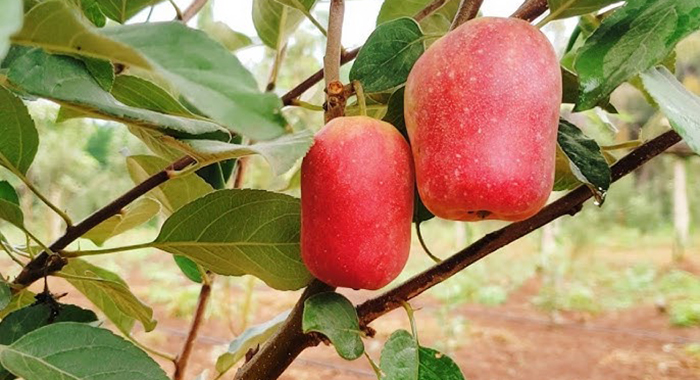
A transformative agricultural initiative is unfolding across the Caribbean as St. Vincent and the Grenadines becomes the latest nation to adopt Kenya’s innovative Wambugu apple variety. This development marks a significant shift in intercontinental agricultural cooperation, moving beyond historical paradigms to embrace knowledge exchange and technological transfer between African and Caribbean nations.
The Wambugu apple, developed by Kenyan farmer Peter Wambugu twenty-five years ago, represents a breakthrough in fruit cultivation. Unlike traditional apples requiring cold climates, this variety thrives in tropical conditions, making it ideally suited for Caribbean agriculture. Cherio Farms, a forward-thinking agricultural enterprise in SVG, is spearheading the distribution of Wambugu saplings to experienced local farmers, signaling a new era of food sovereignty initiatives.
Prominent agricultural experts including Kemston Cato, holder of a master’s degree in food science, and Hubert “Shaka” Williams, a seasoned farmer with decades of experience, are among the first to implement this innovative cultivation. The project also involves Roosevelt John, a pineapple specialist in Mesopotamia Valley, and Marlon da Silva, whose twenty-five years of citrus farming experience provides valuable comparative insight.
The economic implications are substantial. SVG currently imports approximately 165,000 kilograms of apples annually at a cost exceeding EC$1 million. This initiative aims to significantly reduce that import bill while creating local agricultural value. The Wambugu apple’s nutritional profile—low-calorie, fat-free, and rich in vitamin C, dietary fiber, and antioxidants—positions it as a health-conscious alternative to imported fruits.
Beyond economic benefits, this collaboration represents a philosophical shift in North-South relations. As Che Connell of Cherio Farms notes, this exchange emphasizes “the brains, not the bodies, the tech, not the toil” of African agricultural innovation. The project has already demonstrated success in Jamaica and Trinidad, suggesting broader regional potential.
Looking forward, Cherio Farms envisions expanded partnerships with Taiwan’s agricultural sector and further African collaborations, potentially including apricots, strawberries, citrus, and grapes. This neo-agricultural revolution aims to achieve food sovereignty for SVG by 2030, transforming both agricultural practices and international relationships through sustainable, knowledge-based development.