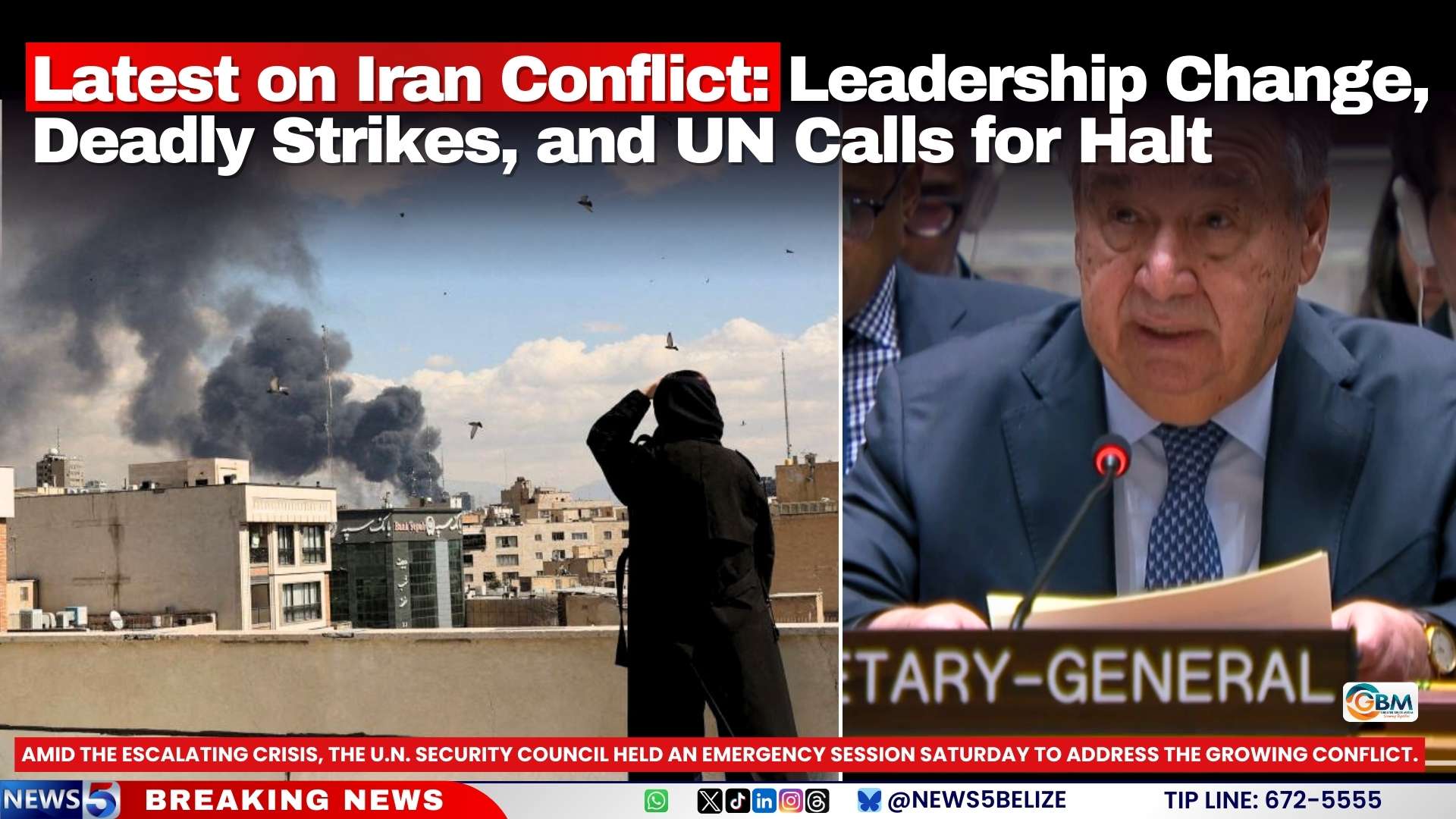
In the wake of Supreme Leader Ali Khamenei’s death during U.S.-Israeli military operations, Iran has established a transitional governing council to steer the nation through this turbulent period. U.S. President Donald Trump indicated that these new leadership figures appear open to diplomatic engagement, though specific identities remain undisclosed.
Regional violence continues to intensify with fresh Israeli strikes targeting central Tehran and Iranian retaliatory measures. Tragic incidents include civilian casualties among those seeking refuge near a Jerusalem synagogue and emerging reports of a deadly attack on an Iranian elementary school.
The conflict has created widespread disruption across Middle Eastern transportation networks, impacted heavily populated urban centers, and constrained oil shipments through critical maritime corridors—fueling concerns about broader regional destabilization.
During an emergency United Nations Security Council session convened Saturday, Secretary-General António Guterres issued urgent appeals for all parties to cease hostilities and resume diplomatic negotiations. He emphasized that failure to de-escalate could precipitate a expanded conflict with severe humanitarian and regional security implications.
Guterres condemned aerial operations by both sides for violating international legal standards and national sovereignty, specifically mentioning Bahrain, Iraq, Jordan, Kuwait, Qatar, Saudi Arabia, and the United Arab Emirates.
U.S. Ambassador Mike Waltz defended American actions as legally justified measures to prevent nuclear proliferation, stating: “Iran cannot possess nuclear weapons—this isn’t political but fundamental to global security.” Israeli Ambassador Danny Danon similarly characterized operations as necessary preventive measures against regional threats.
Iran’s Ambassador Amir Saeid Iravani accused Western powers of committing war crimes resulting in hundreds of civilian deaths and criticized the Security Council for previously ignoring Tehran’s warnings. The session witnessed unusually direct confrontations between American and Iranian diplomats, featuring mutual accusations of historical atrocities.
Other Security Council members expressed deepening concerns. Russia condemned U.S.-Israeli strikes while advocating diplomatic solutions, China voiced alarm over escalating tensions and supported renewed negotiations, and European representatives from Britain, France, and Germany urged revived talks regarding Iran’s nuclear program while emphasizing the Iranian people’s right to self-determination.