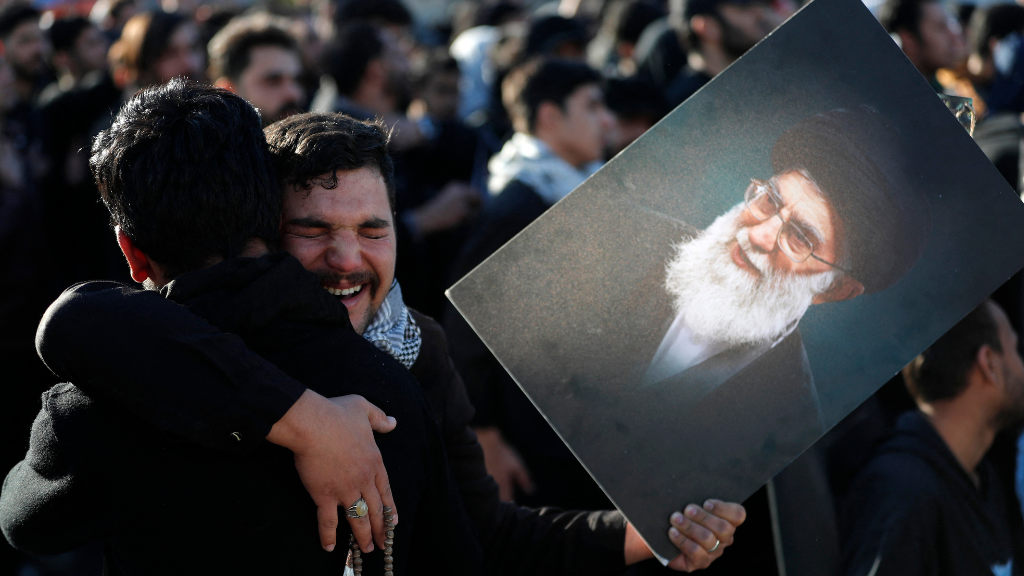
BRUSSELS, Belgium — European Commission President Ursula von der Leyen has issued a urgent call for a “credible transition” in Iran following the assassination of Supreme Leader Ayatollah Ali Khamenei in a joint U.S.-Israeli military operation. The unprecedented development has triggered emergency diplomatic consultations across European capitals as regional tensions escalate dramatically.
Von der Leyen articulated a dual perspective in her assessment, characterizing the moment as both potentially transformative and dangerously volatile. “This tragedy has ignited renewed hope among the Iranian people for political transformation,” she stated in a social media declaration following intensive consultations with Middle Eastern leaders. “Simultaneously, we confront genuine risks of destabilization that could propel the entire region into an uncontrollable cycle of violence.”
The European Union convened an extraordinary session of foreign ministers from all 27 member states—most concurrently NATO affiliates—via secure video conference to coordinate a unified response. The emergency dialogue addressed Iran’s subsequent retaliatory strikes across the Gulf region and evaluated potential security implications for European interests.
NATO’s Supreme Allied Commander Europe, U.S. General Alexus Grynkewich, has been actively monitoring military developments while coordinating defensive preparations with transatlantic partners. The alliance specifically highlighted concerns regarding potential threats from ballistic missile systems and unmanned aerial vehicles originating from the Middle East.
Von der Leyen outlined specific prerequisites for regional stability, emphasizing that any credible transition must include “the complete cessation of Iran’s military nuclear initiatives and ballistic missile programs, alongside termination of destabilizing activities across all domains—air, land, and maritime.” The Commission president has engaged in crisis communications with Qatari Emir Sheikh Tamim bin Hamad Al Thani, Saudi Crown Prince Mohammed bin Salman, and Jordan’s King Abdullah II to forge diplomatic pathways.
EU High Representative for Foreign Affairs Kaja Kallas concurrently confirmed ongoing coordination with regional partners “experiencing the immediate impact of Iran’s military actions” to develop concrete de-escalation measures. In her statement, Kallas reflected: “Khamenei’s demise represents a watershed moment in Iranian history. While uncertainties prevail, a potential pathway has emerged toward a fundamentally different Iran—one potentially more responsive to its citizens’ aspirations.”