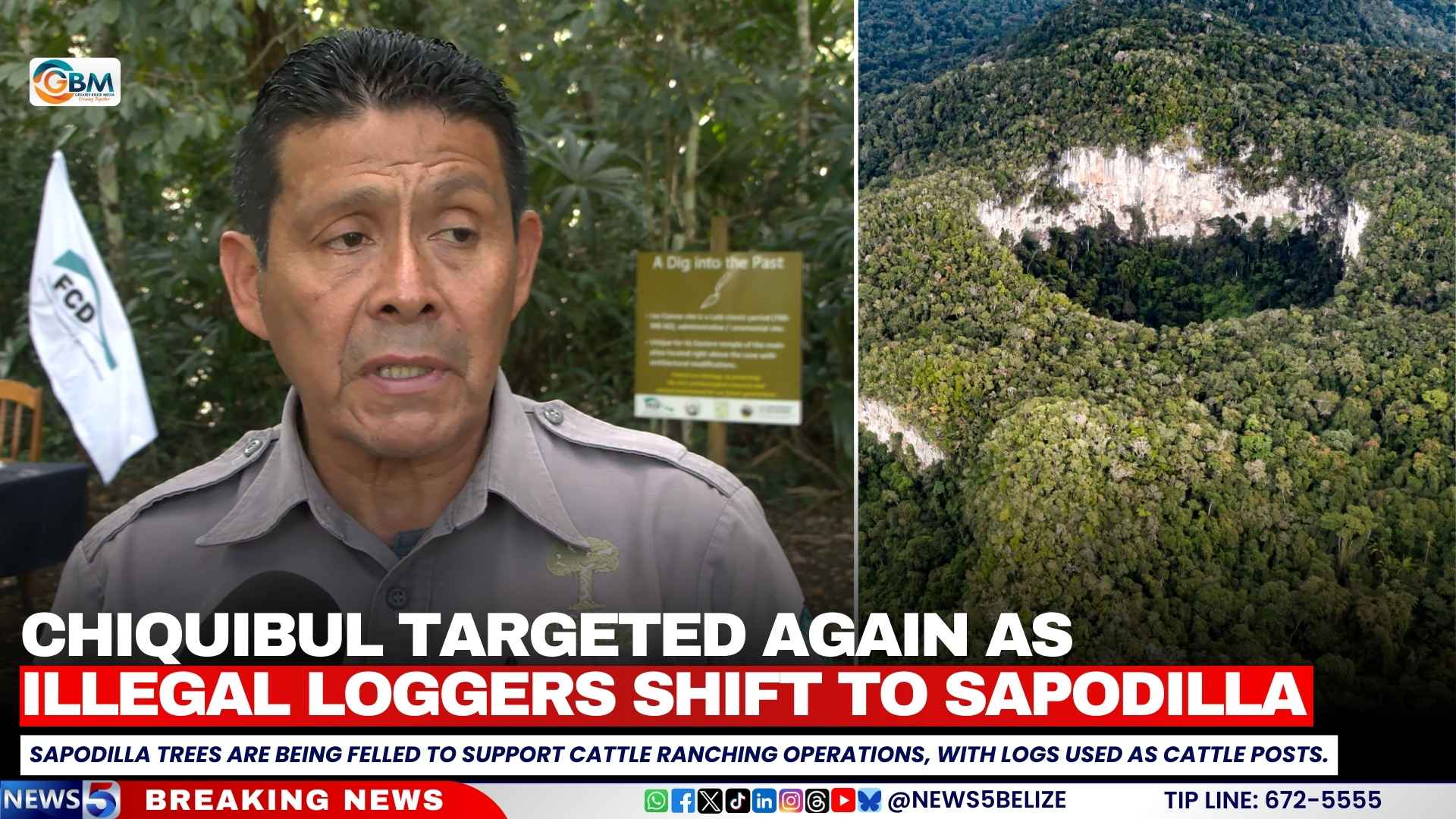
Environmental authorities in Belize are reporting a concerning resurgence of illegal logging activities along the nation’s western border with Guatemala. Rafael Manzanero, Executive Director of Friends for Conservation and Development (FCD), has issued warnings about renewed incursions into protected forest areas after several years of declining activity.
According to historical data, the period between 2010 and 2014 represented the peak of illegal logging operations, with estimated timber losses exceeding $50 million from the ecologically significant Chiquibul jungle. During this intense phase, Guatemalan loggers penetrated up to 17 kilometers deep into Belizean territory.
While enforcement efforts had successfully reduced these incursions over recent years, monitoring agencies have now detected a disturbing reversal of this positive trend. “We are seeing back again a resurgence of illegal activity in terms of illegal logging right now,” Manzanero confirmed during a recent assessment.
The nature of the logging operations has undergone a significant shift in targeting strategy. Previously focused on high-value timber species including mahogany and cedar, illegal loggers are now predominantly harvesting sapodilla trees. This change reflects adaptation to market demands, with the timber being utilized primarily for construction of cattle posts to support ranching operations across the border.
The FCD organization is implementing coordinated response measures in partnership with Belize’s Ministry of Border Security to prevent a return to the severe depletion levels witnessed a decade ago. The Chiquibul Forest remains one of Belize’s most critical protected areas, continuously vulnerable to cross-border threats including not only illegal logging but also poaching and unauthorized mineral extraction activities that collectively endanger both biodiversity and national resources.