Barbados’ labor movement has formally announced its preparedness to initiate pivotal wage negotiations with the government, marking a significant development in ongoing discussions about public sector compensation. Three major labor organizations—the Barbados Workers’ Union (BWU), the National Union of Public Workers (NUPW), and the coordinating body Congress of Trade Unions and Staff Associations of Barbados (CTUSAB)—have all confirmed their operational readiness for upcoming talks.
The BWU, while expressing commitment to constructive dialogue, has raised substantive concerns regarding prolonged delays in the government’s job regrading initiative. General Secretary Toni Moore emphasized that while her organization stands prepared for immediate engagement, the union permitted uninterrupted completion of the job evaluation process recognizing its fundamental importance to both wage structures and broader employment conditions. However, Moore explicitly noted growing concern among workers about the extended timeline, while expressing hope that the final report would meet expectations without further unnecessary delays.
Simultaneously, the NUPW has activated its negotiation machinery through the establishment of a specialized committee tasked with developing comprehensive proposals. General Secretary Richard Greene indicated this committee would conduct a sweeping review of public service compensation, identifying both deficiencies and improvement opportunities across salary structures, allowances, and working conditions.
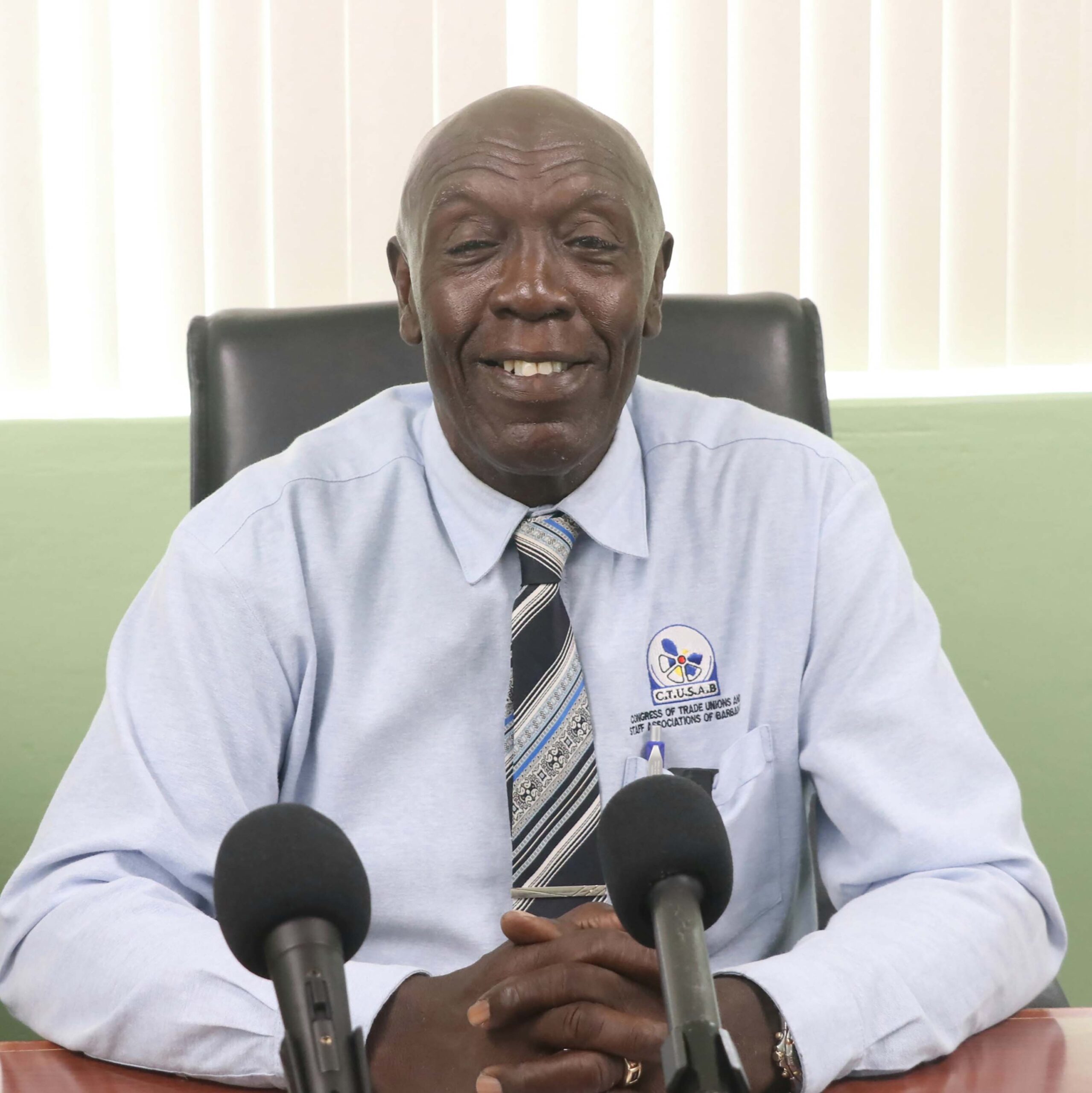
CTUSAB, representing the collective voice of multiple labor organizations, is adopting a research-driven approach to the negotiations. General Secretary Dennis De Peiza revealed the organization has commissioned detailed economic research to inform their bargaining position. This methodological approach will establish evidence-based parameters for their negotiation strategy, combining ongoing service conditions with new economic data.
The timing of these developments coincides with the government’s presentation of its 2026-27 Estimates of Revenue and Expenditure to Parliament, which outlines projected spending including public sector wage allocations, setting the fiscal context for the impending negotiations.