The Latin America and Caribbean region has achieved a remarkable milestone in its ongoing battle against food insecurity, with undernourishment rates declining for the fourth consecutive year according to the latest United Nations data. The 2025 Regional Overview of Food Security and Nutrition reveals that hunger affected just 5.1% of the population in 2024, a substantial improvement from the 6.1% recorded in 2020. This progress translates to 6.2 million people escaping the grip of hunger over this period.
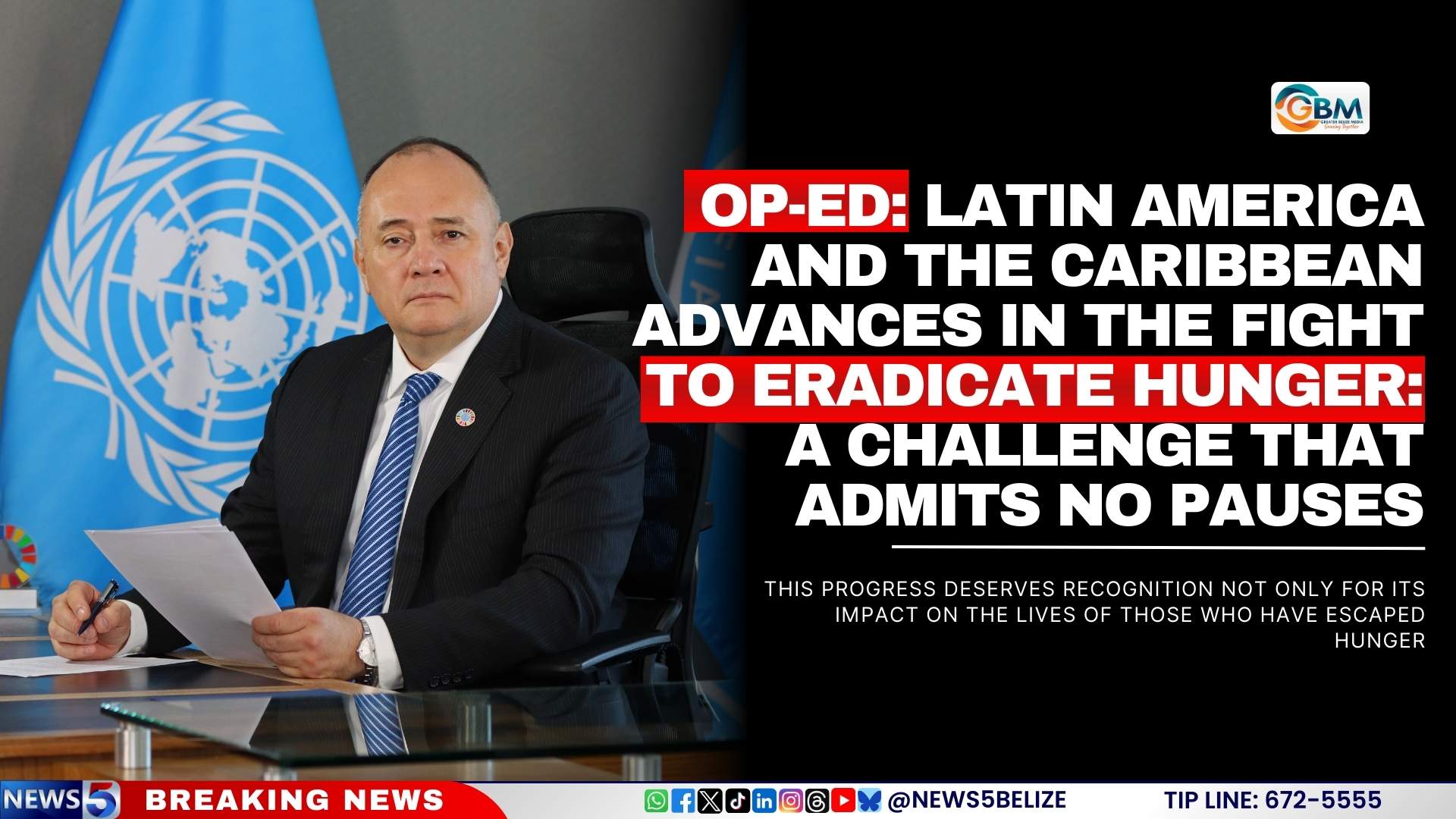
René Orellana Halkyer, Assistant Director-General and FAO Regional Representative for the region, emphasized that this achievement demonstrates how strategic policy interventions can generate tangible improvements in food security. The progress stems from comprehensive approaches including economic recovery measures, enhanced social protection systems, support for family farming, agricultural innovation, and the promotion of agrifood trade.
Despite these encouraging developments, significant challenges persist. More than 33 million people across the region still experience hunger, while approximately 167 million face food insecurity. An alarming 181 million cannot afford a healthy diet, and obesity affects 141 million adults, creating a complex double burden of malnutrition.
The region faces the world’s highest cost for a healthy diet at $5.16 per person daily (PPP), which remains a primary barrier to nutritional security. This economic challenge is compounded by climate extremes that disrupt food systems and limited access to fresh, nutritious foods.
The upcoming 39th FAO Regional Conference for Latin America and the Caribbean (LARC39) will serve as a critical platform for addressing these persistent issues. Priority actions include strengthening sustainable production systems, expanding school feeding programs with locally sourced ingredients, implementing targeted subsidies for vulnerable populations, and modernizing food supply chains.
FAO continues to support member states through its Strategic Framework 2022-2031, focusing on the ‘Four Betters’ approach: Better Production, Better Nutrition, a Better Environment and a Better Life. The organization emphasizes that continued collaboration and investment in resilient agrifood systems are essential to maintain momentum toward complete hunger eradication.