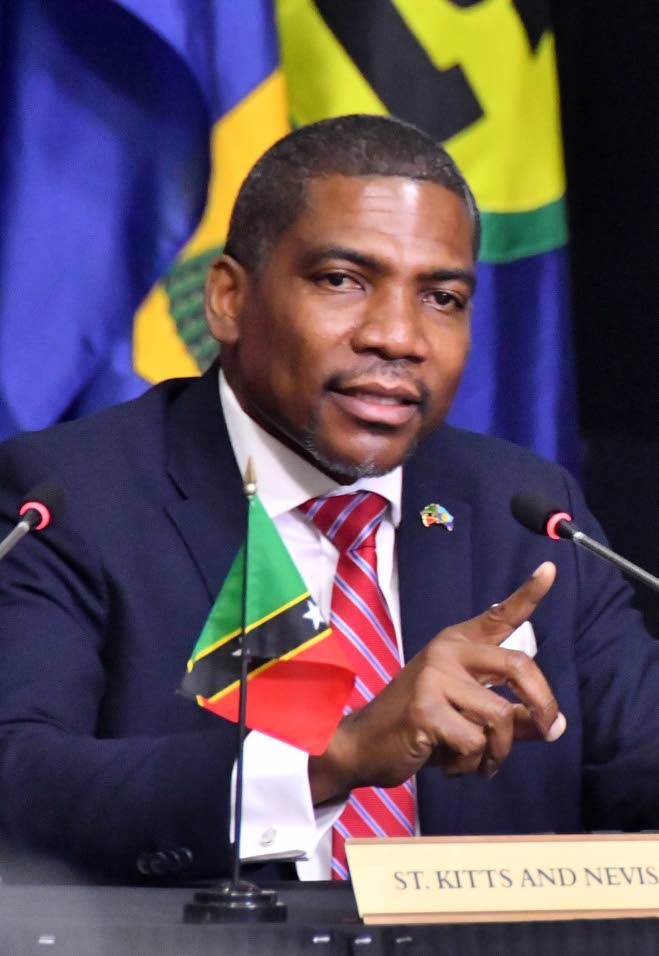
CARICOM Chairman Dr. Terrence Drew has responded to sharp critiques from Trinidad and Tobago Prime Minister Kamla Persad-Bissessar by reaffirming his commitment to diplomatic bridge-building rather than confrontation. The remarks came during Friday’s press conference concluding the 50th Regular Meeting of CARICOM Heads of Government in St. Kitts and Nevis.
Addressing questions about apparent divisions within the regional bloc, Drew characterized differing opinions among member states as natural occurrences within any sovereign integration movement. ‘My objective, and our objective, is to build bridges and not light fires,’ stated Drew, emphasizing that disagreements present opportunities to strengthen the organization rather than weaken it.
The chairman’s comments followed Persad-Bissessar’s vigorous criticism of CARICOM during Tuesday’s opening session, where she also condemned regional leaders for expressing solidarity with Cuba amid ongoing U.S. sanctions. This position has drawn external criticism, notably from U.S. Congressman Carlos Giménez targeting Jamaican Prime Minister Andrew Holness’s support for Cuba.
Regarding controversial U.S. anti-narcotics operations involving alleged bombings of drug traffickers in Caribbean waters, Drew clarified CARICOM’s principled stance: ‘Caricom stands on principle to make sure that anything that is done has to follow particular international law.’ He confirmed ongoing investigations to ensure the regional body’s response would be comprehensive.
Drew forcefully rejected suggestions of fragmentation within CARICOM, particularly concerning individual members’ bilateral relationships with the United States. Noting that both Guyana and Trinidad received invitations to meet with President Donald Trump, he explained that CARICOM doesn’t enforce homogeneous foreign policies, with each sovereign state determining its own diplomatic agenda.
The chairman concluded that diverse international relationships among member states ‘can actually enrich CARICOM, but it does not fracture CARICOM,’ maintaining that current differences represent normal diplomatic processes rather than organizational fragmentation.