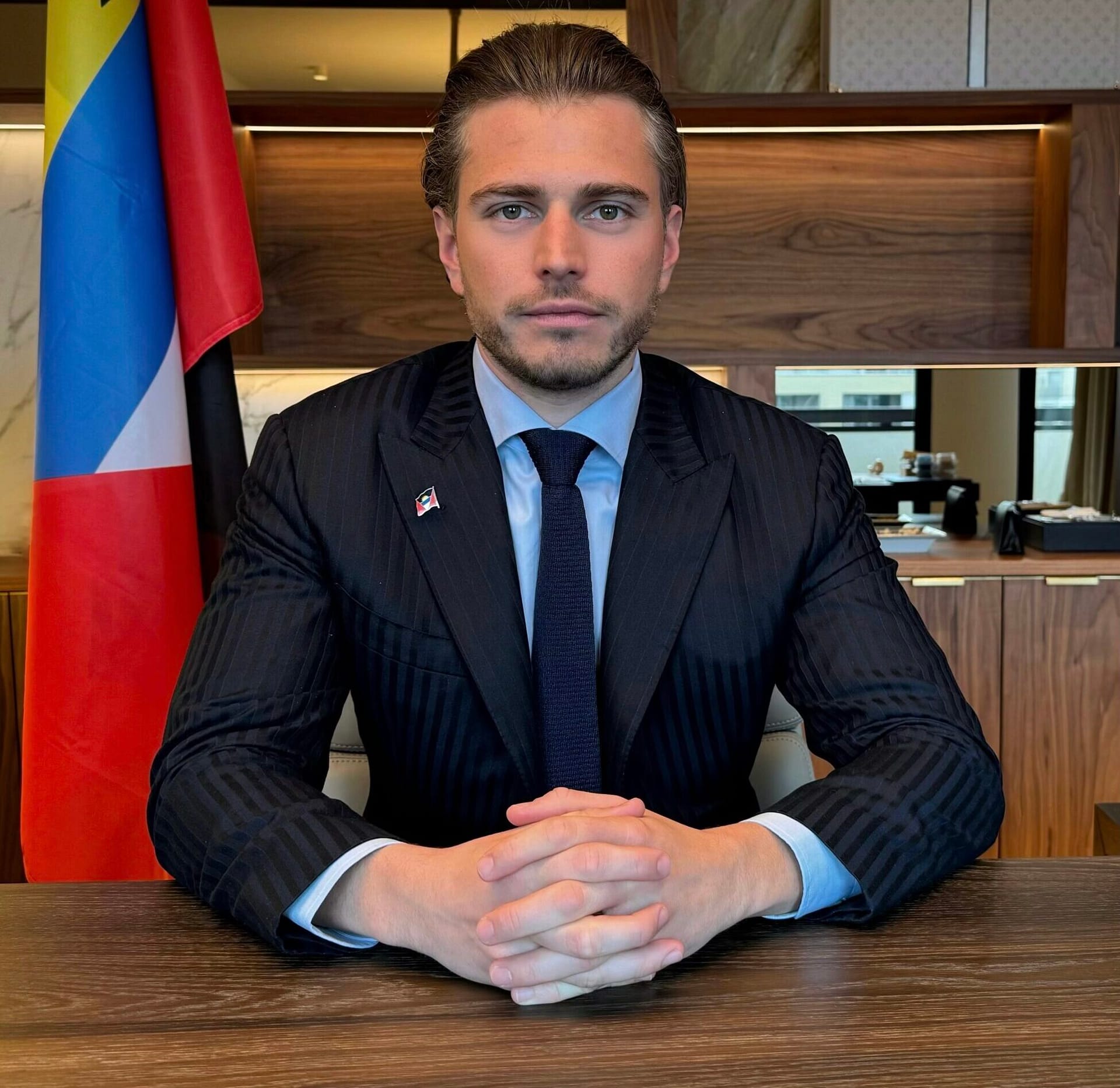
A significant cross-border legal confrontation has emerged between Caribbean media and European business interests. Boris Latour, a French entrepreneur, has initiated a high-stakes defamation lawsuit against Antigua News, seeking damages totaling US$27 million. The litigation alleges that the news organization published materially false and damaging statements concerning Mr. Latour’s international business operations and personal reputation.
The legal filing, submitted in a jurisdiction with established press freedom principles, contends that the published content extended beyond fair commentary into the realm of knowingly false assertion. This case immediately raises complex questions regarding jurisdictional reach in the digital age, where online publications can be accessed globally. Legal experts are closely monitoring how courts will navigate the conflict between protecting reputation across borders and safeguarding media freedoms within national contexts.
The substantial financial claim represents one of the largest defamation actions brought against a Caribbean media entity by a foreign plaintiff. This lawsuit could establish a formidable precedent for how small nations’ press outlets are treated in international legal disputes, potentially creating a chilling effect on investigative reporting concerning wealthy international figures. The outcome may influence how media organizations verify stories involving foreign subjects and assess their potential liability in global jurisdictions.
Both parties are preparing for a protracted legal battle that will likely address fundamental issues of digital media responsibility, the definition of malice in international contexts, and the balance between free speech protections and reputation rights across different legal systems. The case highlights the evolving challenges of maintaining journalistic standards while navigating the complex web of international libel laws.